Thinking about wisdom teeth removal in Rego Park can feel overwhelming, but you can get clear, practical guidance on when to act and what to expect. If your wisdom teeth are causing pain, crowding, recurrent infections, or are likely to cause future problems, prompt evaluation and removal by a local specialist offers the best path to lasting comfort and oral health.
They will explain how impacted, partially erupted, or misaligned wisdom teeth affect your mouth and walk you through personalized consultation and treatment choices. Expect a friendly, expert approach that prioritizes comfort, modern techniques, and a recovery plan tailored to your needs.
Understanding Wisdom Teeth

Most people develop four third molars in late teens to early twenties. These teeth can erupt normally but often cause crowding, infection, or damage to adjacent teeth, requiring assessment and sometimes removal.
What Are Wisdom Teeth?
Wisdom teeth are third molars located at the far back of each dental arch. They usually appear between ages 17 and 25 and are the last permanent teeth to erupt.
Anatomically, wisdom teeth have larger roots and variable shapes compared with other molars. They may be fully erupted, partially erupted (gums cover part of the tooth), or completely unerupted (impacted within the jawbone).
Dental X-rays show their position, root formation, and relationship to nerves and sinuses. This imaging guides decisions about extraction timing, surgical technique, and anesthesia options to reduce risk and improve recovery.
Why Do Wisdom Teeth Cause Problems?
Limited jaw space often prevents wisdom teeth from aligning with the rest of the dentition. When a tooth cannot erupt upright, it may tilt, become trapped against the second molar, or remain impacted below the gum line.
Partially erupted wisdom teeth create pockets where bacteria collect, increasing the risk of pericoronitis (gum infection) and tooth decay. Impacted teeth can resorb adjacent tooth roots or cause cysts and bone damage in rare cases.
Nerve proximity is an important concern for lower wisdom teeth; roots can sit close to the inferior alveolar nerve, raising the risk of temporary or, less commonly, permanent numbness. Surgeons evaluate these risks on a case-by-case basis and offer nerve-sparing approaches when possible.
Common Symptoms Indicating Removal
Persistent pain or swelling at the back of the mouth often signals infection or pressure from a wisdom tooth. Pain may radiate to the ear, jaw, or temple and typically worsens with chewing or jaw movement.
Repeated gum infections, chronic bad breath, or difficulty opening the mouth (trismus) suggest pericoronitis or abscess formation. Decay on the wisdom tooth or the neighboring second molar, revealed clinically or on X-ray, also indicates extraction.
Other signs include cyst formation around an unerupted tooth, shifting or crowding of adjacent teeth, and imaging findings that predict future problems. Dentists recommend removal when symptoms are recurrent, structural damage is present, or risk to oral health outweighs conservative monitoring.
Personalized Consultation Process
Patients receive a clear, step-by-step plan that explains imaging, medical review, and comfort options so they know what to expect and can make informed decisions.
Initial Assessment and Dental Imaging
The clinician begins with a focused oral exam to evaluate tooth position, gum health, and any signs of infection or crowding. They document symptoms such as pain, swelling, or bite changes and note previous dental work that may affect extraction.
Digital X-rays and a cone beam CT scan are often used to map tooth roots, nerve pathways, and the sinus floor. These images help determine whether a tooth is impacted, its angulation, and the proximity to the inferior alveolar nerve. The team reviews the scans with the patient, pointing out specific findings and explaining how they influence the extraction approach.
A treatment plan lists the recommended extraction method (simple vs. surgical), estimated procedure time, and anticipated recovery timeline. If monitoring is an option, the clinician explains the criteria for continued observation versus immediate removal.
Discussing Your Medical History
The dental team gathers a complete medical history, including current medications, allergies, bleeding disorders, and prior reactions to anesthesia. They ask about anticoagulants, bisphosphonates, recent infections, and systemic conditions like diabetes or autoimmune disease because these factors change surgical risk and healing time.
Smoking, alcohol use, and pregnancy status receive targeted questions since they affect anesthesia choices and post‑op instructions. The clinician may request a physician’s clearance or lab tests—for example, an INR for patients on warfarin—before scheduling surgery.
All findings are documented and used to tailor medication plans and antibiotic or steroid use if indicated. The patient receives clear instructions on which drugs to continue or pause before the procedure.
Planning for a Comfortable Experience
The consultation covers anesthesia options in plain language: local anesthesia, oral sedation, nitrous oxide, or IV sedation. The clinician explains what each option feels like, how long the effects last, and who qualifies for each level of sedation based on health history and anxiety level.
Logistics such as pre‑op fasting, arrival time, transportation, and post‑op caregiving are reviewed and provided in writing. The team outlines pain control strategies—prescription analgesics, over‑the‑counter options, and nonpharmacologic measures like cold packs and gentle rinses.
A personalized recovery checklist lists expected symptoms by day, emergency contact numbers, and follow‑up appointment timing. The patient leaves with printed and electronic instructions and a chance to ask specific questions about comfort, safety, and recovery.
Treatment Options and Techniques
The practice emphasizes minimally invasive extraction, tailored sedation, and careful postoperative care to reduce pain and speed recovery. Patients can expect clear explanations of method choice, step-by-step procedures, and personalized pain control plans.
Gentle Extraction Methods
The surgeon assesses tooth position and bone density using a CBCT scan and panoramic X-ray before choosing a technique. For fully erupted wisdom teeth with adequate space, atraumatic simple extraction with elevators and forceps is preferred; this preserves surrounding bone and shortens healing time.
For partially erupted or impacted teeth, a flap or sectioning the tooth may be necessary. They perform localized bone removal with a surgical handpiece and divide the crown into smaller pieces when needed to avoid excessive force. Sutures are placed only when they improve closure; resorbable sutures are commonly used to eliminate a follow-up stitch removal visit.
Postoperative measures include sterile saline irrigation, topical hemostatic agents if bleeding persists, and clear written instructions on oral hygiene. The clinic explains expected swelling patterns and provides a timeline for when normal mouth opening and chewing typically return.
Sedation and Pain Management
Local anesthesia (articaine or lidocaine with epinephrine) is standard, providing profound numbness for the procedure. For anxious or lengthy surgeries, the practice offers nitrous oxide, oral sedatives (e.g., short-acting benzodiazepine prescribed pre-visit), and IV sedation administered by a certified anesthetist.
They discuss risks and benefits for each option and tailor the choice to medical history, BMI, and airway assessment. Pain control after surgery typically combines scheduled acetaminophen plus an NSAID (ibuprofen) as first-line treatment; when indicated, a short course of an opioid is prescribed at the lowest effective dose.
The team provides written dosing schedules, signs of infection or dry socket, and emergency contact instructions. Follow-up calls or telehealth checks happen within 24–48 hours to confirm pain control and wound healing.
What To Expect During the Procedure
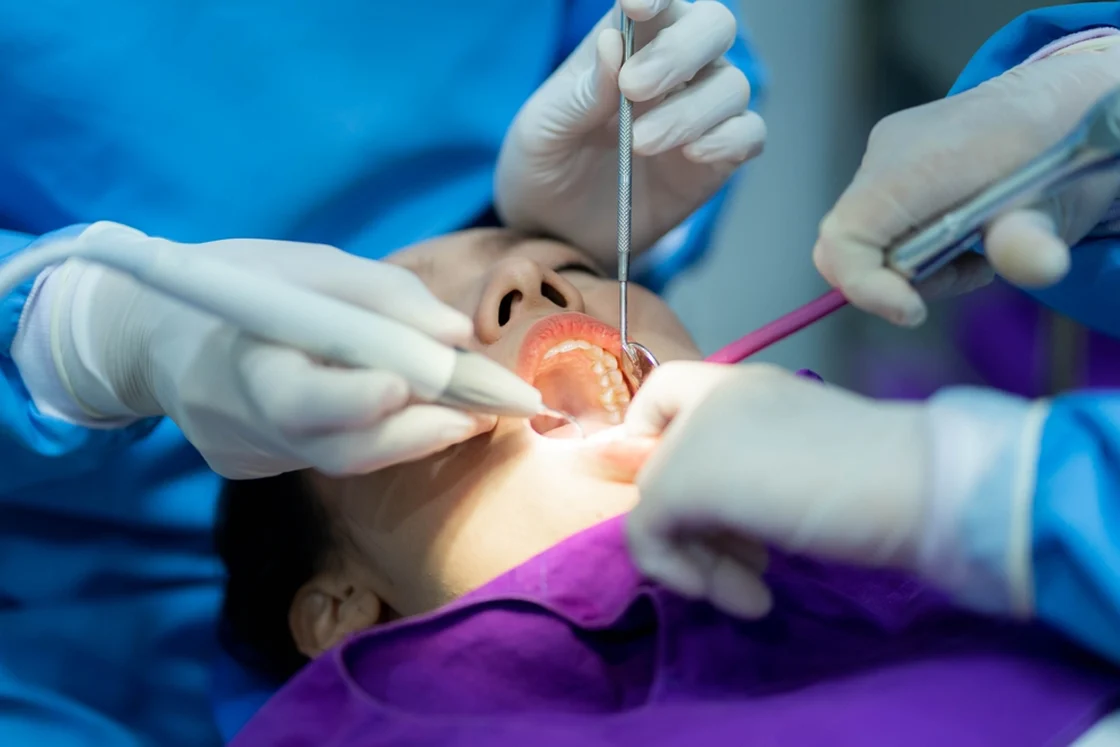
The patient arrives and checks in; staff review medical history and any medications. A dental assistant explains sedation options — local, nitrous oxide, or IV — and answers final questions to ease nerves.
The dentist numbs the area with a local anesthetic first. For deeper relaxation, nitrous oxide or IV sedation may follow; monitoring devices track heart rate and oxygen throughout the visit.
If a tooth is fully erupted, the dentist may simply loosen and remove it with forceps. Impacted teeth often require a small incision in the gum and sometimes removal of a bit of bone to access the tooth.
Stitches are commonly used to close the incision; many are dissolvable and fall out on their own. The team provides gauze to control bleeding and clear, written aftercare instructions to support healing.
Expect the procedure itself to last 20–60 minutes depending on complexity. The clinic observes the patient briefly post-op, especially after sedation, and arranges transportation if needed.
Common immediate sensations include pressure, pulling, and numbness that can last several hours. The dentist prescribes pain management and may recommend ice packs, rest, and a soft-food diet for the first 48–72 hours.
Patients receive contact information for questions or concerns and a timeline for follow-up. They are encouraged to call the office if bleeding, severe pain, fever, or other unexpected symptoms occur.
Recovery and Aftercare Tips
Expect some discomfort, swelling, and restricted mouth opening for the first few days. Follow prescribed medications, rest with your head elevated, and use cold packs to control swelling.
Managing Pain and Swelling
They should take prescribed or recommended over-the-counter pain relievers on schedule for the first 48–72 hours to prevent pain spikes. If a dentist prescribes opioids, use them only for the shortest necessary period and follow dosing exactly; combine with acetaminophen or ibuprofen if advised.
Cold packs applied to the cheek for 20 minutes on, 20 minutes off, during the first 48 hours reduces swelling. After 48 hours, switching to warm compresses helps resolve residual swelling and improves circulation.
Avoid vigorous rinsing, spitting, or using straws for the first week to protect blood clots. Gentle salt-water rinses (1/2 teaspoon salt in 8 ounces warm water) can start 24 hours after surgery, performed 3–4 times daily to keep sockets clean.
If severe pain, increasing swelling after 72 hours, fever over 101°F (38.3°C), or pus appears, contact the oral surgeon immediately — these signs may indicate infection or dry socket.
Foods to Eat After Surgery
Begin with clear liquids and progress to soft, nutrient-dense foods as comfort allows. Good first-day options include broth, strained soups, yogurt, applesauce, and smoothies (avoid using a straw).
During days 2–7, choose mashed potatoes, scrambled eggs, cottage cheese, well-cooked pasta, and soft fish. Ensure foods are warm, not hot, to avoid dissolving sutures or disrupting healing.
Include protein and vitamin C sources to support tissue repair: Greek yogurt, pureed beans, avocado, and blended fruit with protein powder work well. Cut food into small bites and chew away from surgical sites.
Avoid crunchy, sticky, or spicy foods and alcohol for at least one week. Also avoid nuts, seeds, chips, and whole grains that can lodge in sockets and irritate healing tissue.
Signs of Healthy Healing
Normal healing includes decreasing pain day by day, less swelling after 48–72 hours, and formation of a visible blood clot in the socket. Slight bruising, minor bleeding or oozing, and temporary numbness are common and usually resolve within days to weeks.
Healthy healing shows no foul odor, steadily improving ability to open the mouth, and return to normal eating over 1–2 weeks. Sutures may dissolve or be removed at a follow-up appointment; keep that appointment to confirm progress.
Concerning signs include increasing pain after an initial improvement, persistent heavy bleeding, high fever, or discharge with a bad taste. In those cases, contact the Rego Park dental office promptly for evaluation and possible treatment.
Addressing Common Concerns
Patients often worry about pain, complications, and long-term oral health after wisdom teeth removal. The next subsections explain how modern techniques, anesthesia options, and home care reduce risk and speed recovery.
Dealing With Dental Anxiety
Many patients feel anxious about the injection, drilling, or loss of control. Dentists in Rego Park offer several options: local anesthesia to numb the area, nitrous oxide (laughing gas) for mild sedation, oral sedatives for moderate relief, and IV sedation for deeper relaxation. Each option has specific preparation steps and recovery timelines; for example, IV sedation requires an escort home and fasting before the appointment.
Clinics screen medical history, medications, and prior anesthesia reactions to choose the safest method. Staff often use progressive explanations, guided breathing, and calming music to reduce fear. Patients should disclose anxiety, sleep apnea, or substance use so the team can tailor sedation and monitoring.
Fears About Complications
Complications are uncommon but worth understanding: infection, dry socket, nerve injury, and prolonged swelling. Infection risk drops with sterile technique and post-op antibiotics when indicated; patients should watch for rising pain, fever, or pus and call the office promptly. Dry socket causes severe pain 3–5 days after extraction; following post-op instructions—avoiding smoking, not using straws, and gentle oral hygiene—cuts that risk greatly.
Nerve injury is rare and usually temporary; surgeons minimize risk by using cone-beam CT scans to map tooth roots relative to the inferior alveolar nerve. Persistent numbness beyond a few weeks warrants reassessment. Clear timelines and warning signs given before discharge help patients detect and report complications early.
Preventive Care for Lifelong Oral Health
Removing wisdom teeth can simplify future oral hygiene and reduce the chance of crowding or infection. After recovery, regular dental cleanings every 3–6 months or as recommended help maintain gum health around adjacent molars. Fluoride toothpaste, interdental brushes, and flossing behind the second molars prevent decay in areas that become harder to reach after extraction.
Patients should keep scheduled post-op visits so the dentist can assess healing and remove sutures if needed. If orthodontic issues exist, coordinating with an orthodontist preserves alignment goals. For personalized guidance, the dental team in Rego Park usually provides a written home-care plan and encourages questions about brushing technique, diet during healing, and signs that require a call to the office.
Choosing the Right Dental Provider in Rego Park
Patients should prioritize clear communication, proven experience with wisdom teeth extraction, and a comfortable office environment when selecting a provider. Practical factors like location, office hours, insurance acceptance, and sedation options directly affect the procedure and recovery experience.
How to Evaluate Local Dental Practices
Look for offices within a 10–20 minute drive of Rego Park for quicker post-op visits and emergencies. Check whether the practice posts patient reviews on Google, Yelp, or Healthgrades; focus on recent comments about pain management, follow-up care, and staff friendliness.
Verify office hours and weekend availability if needing surgery outside school or work schedules. Ask whether the dentist or oral surgeon performs extractions in-office or refers to a surgical center. In-office procedures often mean continuity of care; surgical centers may handle complex cases.
Confirm which insurances and payment plans the practice accepts, and whether they provide written cost estimates for consultation, imaging (CBCT or panoramic X-ray), and anesthesia. Tour the office if possible to assess cleanliness, private recovery space, and monitoring equipment.
Request specifics about post-op support: 24-hour on-call availability, written aftercare instructions, and routine follow-up appointments.
Understanding Qualifications and Experience
Prioritize providers who are either oral and maxillofacial surgeons (OMS) or general dentists with substantial surgical experience. OMS credentials typically include 4–6 years of hospital-based surgical residency after dental school; ask about that training.
For general dentists, request the number of extractions performed annually and details on continuing education in surgical techniques and sedation.
Confirm licensure and board certifications where applicable, and check for memberships in professional organizations such as the American Association of Oral and Maxillofacial Surgeons (AAOMS) or the American Dental Association (ADA).
Ask for examples of similar cases handled—impacted wisdom teeth, angled roots, or patients with medical conditions—and what approach they used. Inquire about anesthesia options (local, conscious sedation, IV sedation, general anesthesia), who administers it, and the provider’s emergency protocols.
A provider who explains risks, shows before/after imaging, and offers a clear recovery plan demonstrates the competence and patient-focused care patients want.
Taking the Next Step Toward a Healthier Smile
Patients in Rego Park often feel relieved once they understand their options for wisdom teeth removal. The dental team explains each step clearly, from the initial exam to post-op care, so people know what to expect and feel comfortable with their plan.
They discuss anesthesia choices and pain management in plain language, helping patients choose what fits their needs and medical history. Modern techniques reduce recovery time, and the office uses numbing and sedation options to prioritize comfort.
A simple checklist helps patients prepare: bring ID and a ride, follow fasting instructions if sedated, and arrange soft foods for the first 48–72 hours. Following these steps lowers complications and speeds healing.
Patients receive written aftercare instructions and a follow-up schedule to monitor healing. If concerns arise, the clinic encourages quick contact to address problems early and avoid unnecessary worry.
Insurance, payment plans, and scheduling options are reviewed during consultation, so cost and timing feel manageable. The practice aims to make care accessible and transparent.
They invite readers to call or book an evaluation to discuss whether extraction is right for them. A brief consult answers questions, reviews X-rays, and lays out a comfortable, personalized treatment plan.
Frequently Asked Questions
This section answers common concerns about wisdom teeth removal in Rego Park, NY, including when extraction is necessary, what to expect during the visit, sedation choices, recovery timelines, safe foods after surgery, and warning signs that need attention.
How do I know if my wisdom teeth need to be removed or if they can stay in place?
Dentists evaluate X-rays, oral exams, and symptoms to decide.
Removal is recommended for impacted teeth, recurrent infections, damage to neighboring teeth, cysts, or crowding of the bite.
If wisdom teeth are fully erupted, aligned, and symptom-free, dentists may monitor them with periodic X-rays and exams.
Patients with pain, swelling, bad breath, or difficulty opening the mouth usually require extraction.
What does the removal appointment usually feel like, and how do dentists keep you comfortable during the procedure?
Most patients feel pressure but not sharp pain because local anesthesia numbs the area.
A routine extraction typically takes 20–60 minutes depending on tooth position and complexity.
Dentists use numbing shots, suction, soft-tissue protection, and expert technique to minimize discomfort.
They explain each step beforehand and check comfort levels during the procedure.
What sedation options are available, and how do I choose the one that’s right for me?
Common options include local anesthesia, nitrous oxide (laughing gas), oral sedatives, and IV sedation.
Choice depends on anxiety level, medical history, number of teeth removed, and patient preference.
The dentist or oral surgeon reviews risks and benefits, medical conditions, and recovery needs to recommend the safest option.
Patients should disclose medications, pregnancy, and past reactions to sedatives before choosing.
How long does recovery typically take, and what can I do at home to heal faster and more comfortably?
Initial healing usually takes 3–7 days; deeper bone and gum healing can take several weeks.
Swelling and discomfort peak around day 2 and improve steadily after that.
Rest, avoid strenuous activity for 48–72 hours, use prescribed or OTC pain controls as directed, and apply cold packs in the first 24 hours.
Keep the mouth clean with gentle rinses after 24 hours and follow sutures and wound care instructions to reduce infection risk.
What foods are easiest to eat after surgery, and when can I go back to my normal diet?
Stick to soft, cool-to-warm foods like yogurt, applesauce, mashed potatoes, smoothies (not through a straw), and blended soups for the first 3–5 days.
Avoid crunchy, spicy, or very hot foods that can irritate the surgical site.
Gradually reintroduce firmer foods as pain decreases and healing progresses, usually around 1–2 weeks.
If chewing still hurts or a bite feels uneven, wait longer and consult the dental office.
What are the most common complications to watch for—like dry socket—and when should I call the office?
Watch for severe pain that starts 2–4 days after surgery, foul taste or odor, heavy bleeding, fever above 101°F, or numbness that persists.
Severe, worsening pain with exposed bone or empty-looking sockets often indicates dry socket and requires prompt care.
Call the office immediately for uncontrolled bleeding, signs of infection, persistent swelling that worsens after 72 hours, or any sudden numbness.
Bring X-rays or follow-up notes if symptoms develop after hours or at an emergency visit to speed proper treatment.

 Call Now