
Losing a tooth can affect much more than the appearance of a smile. A missing tooth may change how a person chews, speaks, or feels in social situations. Fortunately, modern dentistry offers several ways to replace missing teeth, including dental implants.
For patients researching dental implants Rego Park, NY, understanding the process can make the decision feel less overwhelming. An implant is designed to replace a missing tooth from the root upward, creating a stable foundation for a crown, bridge, or larger restoration.
This guide explains the basics in everyday language, including candidacy, treatment stages, comfort, cost, and long-term care.
This article provides general educational information and is not a diagnosis or treatment recommendation. A dentist or qualified implant clinician must examine the mouth and review the patient’s health history before recommending care.
What Is a Dental Implant?
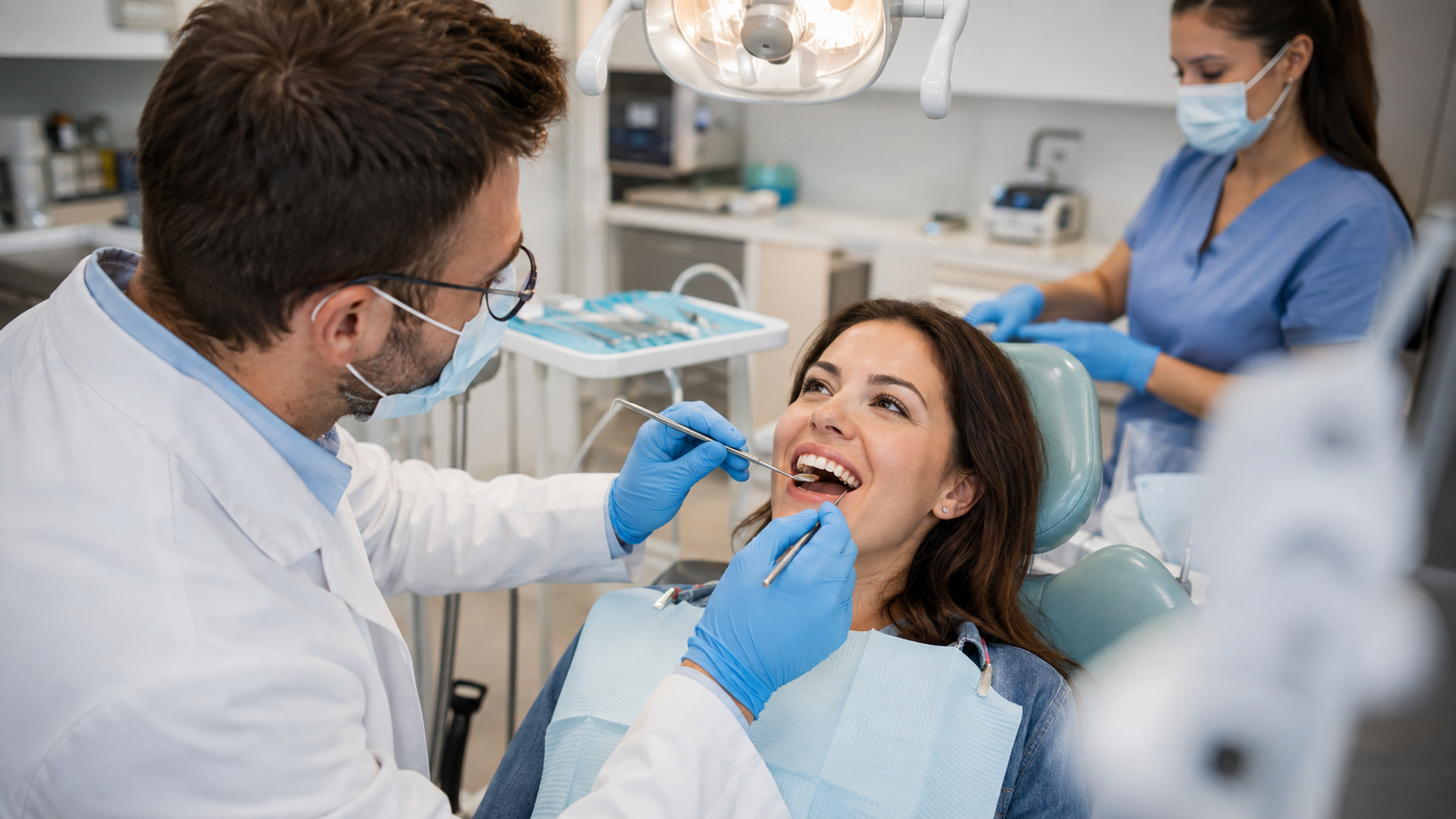
A dental implant is a small post placed in the jawbone where a tooth root is missing. Most modern implants are made from biocompatible materials such as titanium. The implant supports a replacement tooth after the surrounding bone has become stable around it.
A completed implant restoration commonly has three parts:
- The implant: The portion placed in the jawbone.
- The abutment: A connector between the implant and the visible restoration.
- The restoration: The crown, bridge, or other prosthetic teeth used to complete the smile.
Although people often use “implant” to describe the entire replacement tooth, the implant itself is only the foundation below the gumline.
Why Do Patients Consider Dental Implants?
Dental implants may be considered when a tooth has been lost because of decay, gum disease, injury, or another dental problem. Depending on the case, implants can support one replacement tooth, several teeth, or a larger dental prosthesis.
Patients often appreciate that a single implant can replace a missing tooth without requiring crowns on the healthy teeth next to the space. However, an implant is not automatically better than a traditional bridge. As the Pure Arts Dental Care single-tooth implant guide explains, a bridge may make practical sense when the neighboring teeth already need crowns. The right choice depends on the condition of the entire mouth.
Potential benefits of implant treatment include:
- A stable foundation for chewing
- A replacement tooth designed to blend with the smile
- No removable appliance for certain cases
- A way to avoid altering healthy neighboring teeth in some single-tooth situations
- Support for different types of restorations based on the number and location of missing teeth
No dental treatment is maintenance-free, and results vary. Long-term success depends on appropriate planning, healthy surrounding tissues, daily home care, and ongoing professional visits.
Who May Be a Candidate for Dental Implants?
Many adults with missing teeth can be evaluated for implants, but candidacy cannot be determined from age or appearance alone. The dentist needs to examine the gums, remaining teeth, bite, and available jawbone. Dental imaging helps the care team assess the treatment area in greater detail.
The consultation should also include a review of medical conditions, medications, tobacco use, previous dental treatment, and the patient’s ability to keep the area clean. These factors do not always rule out implants, but they may affect planning, healing, or the recommended treatment sequence.
If the jawbone does not currently provide suitable support, preparatory treatment may be discussed. That does not mean every patient needs bone grafting. Imaging and a clinical examination are needed to determine what is appropriate.
What Happens During the Dental Implant Process?
Implant treatment is usually a sequence rather than a single appointment. The exact plan varies with the number of missing teeth, the condition of the bone and gums, and whether other dental care is needed first.
1. Consultation and digital planning
The first step is a conversation about the patient’s concerns, health history, and goals. The dentist examines the mouth and uses appropriate imaging to evaluate the proposed implant site. Pure Arts Dental Care notes that a consultation and 3D scan can help determine what may be possible and what the individual treatment could involve.
This visit is also the right time to discuss alternatives. Depending on the situation, those options may include a bridge, removable partial denture, full denture, or no immediate replacement.
2. Preparatory care, if needed
Some patients can move forward without additional procedures. Others may need treatment for active dental disease, removal of a damaged tooth, or bone-related preparation before implant placement. Any preparatory stage should be included in the written plan so the patient understands why it is recommended.
3. Implant placement and early symptom recovery
During placement, the area is numbed and the implant is positioned according to the treatment plan. Comfort options should be discussed beforehand, especially if the patient feels anxious about dental care.
After the procedure, temporary soreness, swelling, bruising, or tenderness may occur. This early symptom recovery is the period when the patient follows instructions for eating, cleaning, medication use, and activity. Symptoms and recovery experiences vary, so the treating clinician should be contacted if pain or swelling worsens, bleeding does not settle, or anything feels unusual.
4. Soft-tissue healing
As early symptoms improve, the gum tissue continues healing around the surgical area. This soft-tissue healing is not the same as full integration of the implant with the jawbone. The gums may appear settled even though deeper healing is still taking place.
5. Osseointegration
Osseointegration describes the process in which bone establishes close contact with the implant surface. It is an important part of creating a stable foundation. A scientific review of implant stability and osseointegration discusses the importance of bone-to-implant contact and clinical stability.
This phase generally takes longer than the initial symptom recovery or visible gum healing. The schedule differs from patient to patient, and the dentist may use examinations and imaging to determine when the implant is ready for the next step. A restoration should not be rushed simply because the area feels comfortable.
6. Abutment and final restoration
Once the implant is considered ready, the connector and custom restoration can be completed according to the treatment plan. The dentist checks appearance, bite, fit, and access for cleaning.
This is the completion of treatment, which is separate from surgical recovery, soft-tissue healing, and osseointegration. Some treatment plans arrange these stages differently, so patients should rely on their personalized timeline rather than comparing their experience with someone else’s.
Are Dental Implants Painful?
The implant area is typically numbed during surgery. Patients may feel pressure or vibration, but they should tell the dental team if they are uncomfortable. Afterward, tenderness and swelling can occur as the tissues begin to heal.
A patient’s experience depends on the extent of treatment, whether preparatory procedures were performed, and individual healing. The dental team should provide clear instructions for managing expected discomfort and explain which symptoms require a call.
Patients with dental anxiety can also ask how the practice supports comfort before, during, and after treatment. Knowing what will happen at each stage often makes the process feel more manageable.
What Risks Should Patients Understand?
Dental implant treatment has potential risks, just like other surgical and restorative procedures. Possible concerns include infection, injury to nearby structures, gum or bone problems, loosening, or failure of the implant to integrate as intended. Restoration components may also wear, loosen, or become damaged over time.
A peer-reviewed review of local complications in dental implant surgery emphasizes careful diagnosis, planning, surgical technique, and follow-up. A personalized evaluation helps the clinician identify risk factors and explain how they may affect a particular patient.
Patients can support healing by following postoperative instructions, attending follow-up visits, avoiding tobacco, and contacting the office when something does not feel right. These steps support care but cannot guarantee a specific outcome.
How Much Do Dental Implants Cost in Rego Park?
There is no single price that applies to every implant case. Cost depends on factors such as:
- The number of missing teeth
- The number and location of implants
- The type of final restoration
- The need for extractions or preparatory care
- The complexity of the case
- Insurance benefits and financing arrangements
When comparing estimates, patients should ask what is included. A quoted amount may or may not cover imaging, surgery, the abutment, the final restoration, preparatory treatment, or follow-up care.
A written treatment plan is the most useful way to understand the expected total. Insurance coverage varies, and an estimate of benefits is not a guarantee that an insurer will pay a particular amount.
How Are Dental Implants Cared For?
An implant cannot develop a cavity, but the gums and bone around it still need protection. Plaque can collect around an implant-supported crown just as it collects around natural teeth.
Daily care generally includes brushing, cleaning between the teeth, and using any special tools recommended by the dental team. Regular examinations allow the dentist to check the restoration, bite, gum tissue, and supporting bone.
A patient should schedule an evaluation if an implant-supported tooth feels loose, the gums bleed repeatedly, chewing becomes uncomfortable, or a restoration chips or changes. Waiting may allow a manageable concern to become more complicated.
Frequently Asked Questions About Dental Implants
How long does the full implant process take?
The timeline depends on the treatment site, healing response, need for preparatory care, and type of restoration. Early symptom recovery, gum healing, bone integration, and final restoration are separate phases. The dentist can provide a more meaningful estimate after an examination and imaging.
Can one missing tooth be replaced with an implant?
Yes, a single implant may support an individual crown when the clinical conditions are suitable. A bridge or removable option may also be appropriate, so the neighboring teeth, bite, bone, and patient preferences should all be considered.
Can a patient receive a tooth immediately?
Some treatment plans allow a temporary tooth to be placed at or near the time of surgery, while others require a different sequence. Immediate placement or loading is not suitable for every case. Stability, bone conditions, bite forces, and the location of the implant influence the decision.
Do implants require special cleaning?
They require consistent cleaning, although the exact tools depend on the restoration. A dentist or hygienist may recommend floss, interdental brushes, a water flosser, or other aids to clean areas that a standard toothbrush cannot reach easily.
Are dental implants guaranteed to last?
No treatment can be guaranteed for life. Implant longevity is influenced by planning, healing, oral hygiene, gum health, bite forces, tobacco exposure, medical factors, and regular professional care. Both the implant and its visible restoration should be monitored over time.
Discuss Dental Implants With a Rego Park Dentist
Choosing between an implant, bridge, or removable restoration is a personal clinical decision. A careful consultation can clarify the condition of the jawbone, the available treatment options, the expected stages, and the likely cost.
Pure Arts Dental Care welcomes patients at 98-71 Queens Blvd, Rego Park, NY 11374. The location serves people from Rego Park and surrounding Central Queens communities. Patients interested in dental implants can contact the practice or call (718) 437-7777 to request a consultation, ask questions, and receive recommendations based on an in-person evaluation.

 Call Now