Looking for affordable dentures in Rego Park, NY? They can restore chewing, speech, and confidence without breaking the bank, and local clinics often offer payment plans, sliding scales, and insurance-friendly options to keep costs manageable. You can find quality, budget-conscious denture care nearby by knowing where to look and what to ask about financing, materials, and follow-up services.
A friendly neighborhood dentist will walk them through types of dentures, the fitting process, and everyday care so they make an informed choice that fits both their budget and lifestyle. The article guides them through understanding options in Rego Park, comparing costs, preparing for appointments, and choosing a dental team focused on comfort and modern care.
Understanding Dentures
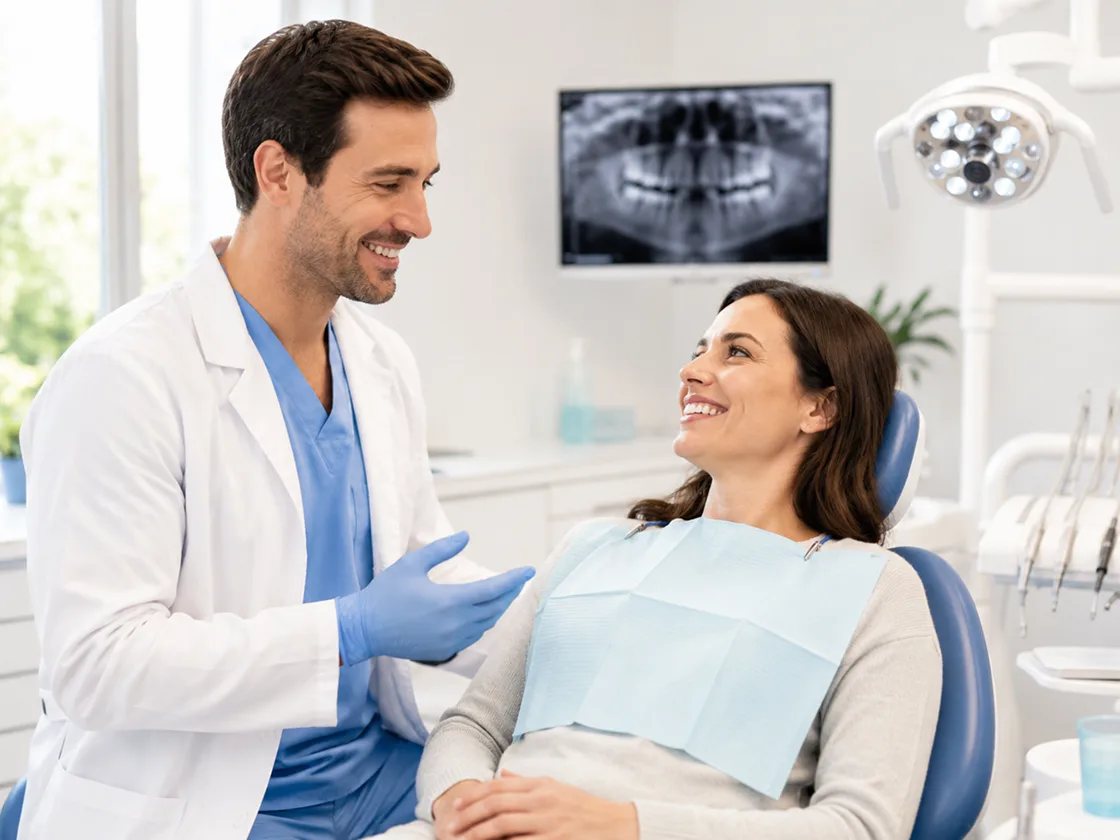
Dentures replace missing teeth and restore chewing, speech, and facial support. They vary by materials, fit, and how they attach to the mouth, which affects comfort, cost, and maintenance.
Types of Dentures Available
Dentures come in four main types: full (complete) dentures, partial dentures, implant‑supported dentures, and immediate dentures.
Full dentures replace all teeth in an arch and rest on the gums. They work well when most or all natural teeth are gone and typically cost less than implant options.
Partial dentures fill gaps when some natural teeth remain; they attach to adjacent teeth with clasps or precision attachments. Partials help prevent neighboring teeth from shifting.
Implant‑supported dentures anchor to dental implants placed in the jaw. They offer greater stability for chewing and speaking and reduce bone loss, but require surgery and higher upfront cost.
Immediate dentures are made before extractions and placed the same day teeth are removed. They avoid a toothless period but need adjustments as the gums heal and shrink.
How Dentures Work
Dentures restore function by distributing chewing forces across the gums and jawbone. Full dentures rely on suction and close fit to stay in place for the upper arch; lower dentures use the tongue and muscle control plus fit and may need adhesives.
Implant‑supported dentures attach to titanium implants that fuse with bone (osseointegration). Small connectors (locators or bars) secure the denture to implants, reducing movement and improving bite force.
Dentures require periodic adjustments because gum and bone contours change over time. Routine checks ensure proper fit, prevent sores, and maintain oral health. Proper daily cleaning removes plaque and prevents staining, odor, and infection.
Common Myths About Dentures
Myth: Dentures always look fake. Many modern dentures use natural-looking acrylics and porcelain teeth. Custom shading and tooth shaping create a lifelike appearance tailored to facial features.
Myth: Dentures prevent eating normal foods. With proper fit or implant support, most people can enjoy a wide range of foods. Initial adaptation takes weeks; gradual reintroduction of firmer items works best.
Myth: Dentures last forever. Dentures wear, corrode, or no longer fit as bone changes; typical lifespans range from 5–10 years depending on care and type.
Myth: Dentures require little maintenance. Daily cleaning, overnight soaking for some types, and regular dental visits are essential to avoid infection and keep the appliance functioning well.
Why Choose Dentures in Rego Park
Residents find practical, affordable denture options close to home. Local practices emphasize comfort, modern materials, and payment plans that reduce out-of-pocket cost.
Unique Benefits for Local Residents
Rego Park providers offer shorter travel times and flexible scheduling, which matters for seniors and working families balancing appointments with errands or work shifts. Many clinics stock commonly used denture sizes and shade guides, allowing faster try-ins and fewer adjustment visits.
Local labs often partner with clinics in Queens, speeding up fabrication and reducing turnaround from weeks to days for standard partials and complete sets. Some practices provide same-day relines and emergency repairs, which helps when a prosthesis chips or becomes loose.
Clinics in the neighborhood frequently accept Medicaid, Medicare supplement plans, and offer sliding-scale fees or in-house financing. This reduces initial cost barriers and spreads payments without relying solely on third-party loans.
Access to Trusted Dental Professionals
Rego Park dentists commonly hold advanced training in removable prosthodontics and maintain referral relationships with oral surgeons and implant specialists in the NYC area. That network supports coordinated care when extractions, bone grafts, or implant-retained dentures become necessary.
Patients benefit from clinicians who perform comprehensive exams, digital impressions, and shade-matching under natural light. These specific services improve fit and appearance, lowering the need for repeat adjustments.
Many practices publish provider profiles, patient reviews, and before/after photos online, enabling patients to compare experience levels and treatment philosophies before booking. Transparent pricing and consent forms further clarify expectations and reduce surprises.
Community-Focused Dental Care
Local clinics often run patient education sessions and offer bilingual staff to serve Rego Park’s diverse community. That makes it easier for non-English speakers to understand denture care, warranty terms, and maintenance schedules.
Community-oriented practices frequently coordinate with nearby pharmacies and elder-care facilities for streamlined pickup of cleaning supplies or on-site denture checkups. This reduces logistical hurdles for immobile or homebound patients.
Several offices provide preventive programs—regular checkups, denture hygiene instruction, and low-cost relines—to extend prosthesis lifespan. Those predictable maintenance pathways lower long-term costs and help patients maintain oral health with fewer emergency visits.
How to Find Affordable Options
Patients can save on dentures by choosing appropriate materials, exploring insurance and payment plans, and comparing local providers for value rather than price alone. Focus on practical trade-offs, verified credentials, and clear written estimates to avoid surprises.
Cost-Effective Materials and Treatments
Choosing the right material reduces cost without sacrificing function. Acrylic-based full or partial dentures are the most budget-friendly; they fit well for many patients and cost less to fabricate and repair than high-end options. Flexible nylon partials offer better comfort than metal-based frameworks at a moderate price; they work well for small to medium gaps.
Implant-supported dentures cost more upfront but can extend prosthesis lifespan and reduce long-term costs for some patients. For those on tight budgets, consider immediate dentures only when necessary and plan for a relining after healing rather than replacing the denture. Ask the dentist for a written breakdown: lab fees, chair time, and adjustments so the patient can compare true costs.
Insurance and Financing Solutions
Verify what dental insurance covers for dentures; many plans cover a percentage of lab and fabrication fees after deductibles. Patients should request a pre-treatment estimate (predetermination) from the insurer to know exact coverage and out-of-pocket responsibility before treatment starts.
If insurance falls short, flexible financing can bridge the gap. Options include in-office payment plans, third-party medical credit (e.g., CareCredit), or low-interest personal loans. Clinics in Rego Park often offer sliding-scale fees or membership plans that reduce per-visit charges. Always get financing terms in writing and compare total repayment amounts, not just monthly payments.
Comparing Prices Without Compromising Quality
Price shopping should focus on value: credentials, patient reviews, warranty terms, and follow-up care matter as much as the sticker price. Collect written estimates from 2–3 Rego Park prosthodontists or general dentists that include material type, lab used, number of visits, adjustment policy, and warranty length.
Use a simple comparison table to weigh options:
- Provider name
- Material and lab
- Total cost (itemized)
- Number of visits
- Warranty/adjustments
- Patient reviews and credentials
Check that the lab is certified and ask if the dentist performs try-ins or uses digital impressions. A slightly higher cost can be justified by a longer warranty, included follow-ups, or better-fit techniques that reduce future repair expenses.
What the Denture Process Looks Like
This section explains the practical steps a patient will go through and what happens at each appointment, including exams, impressions, try-ins, and final fitting. It highlights costs, timing, and comfort measures so patients know what to expect at a Rego Park dental office.
Step-By-Step Guide from Consultation to Fitting
- Initial consultation and exam. The dentist reviews medical/dental history, takes digital X-rays, and inspects gum and bone health to decide between full, partial, or implant-supported dentures. He or she discusses budget-friendly options and estimated timeline.
- Treatment planning. The dentist creates a written plan with material choices (acrylic, flexible partials), lab fees, and any extractions or implants needed. Patients receive cost estimates and payment/insurance guidance.
- Impressions and records. The clinic takes precise impressions, jaw relation records, and shade/shape photos to send to the dental lab. These records ensure proper bite and natural appearance.
- Try-in and adjustments. A wax try-in lets the patient check fit, bite, and appearance. The dentist notes changes, then sends adjustments to the lab.
- Final delivery and education. The dentist fits the finished dentures, makes minor chairside adjustments, and teaches insertion, removal, cleaning, and storage routines.
- Follow-up care. One or more follow-ups address sore spots and fit; long-term checkups monitor oral health and denture condition.
What to Expect at Each Appointment
At the first visit, expect a 45–60 minute exam with X-rays and a discussion of options. The staff will provide printed cost estimates and financial counseling if requested.
Impression appointments typically last 30–45 minutes. Patients may experience mild gagging or taste from impression material; the practice offers topical sprays or breaks to reduce discomfort.
Wax try-ins take 20–30 minutes. This is the best chance to adjust tooth position, color, and bite. Patients should speak up about appearance and chewing comfort.
Final fitting runs 45–75 minutes. The dentist adjusts pressure points, trims edges, and checks speech and chewing. Staff demonstrate cleaning with a denture brush and recommend soft liners or adhesive if needed.
Follow-up visits are short, 10–20 minutes, within the first two weeks and again at three months. They focus on sore-spot relief, relining if gums change, and addressing questions about eating and maintenance.
Caring for Your New Smile
Patients will learn practical steps for daily denture care, ways to protect gum tissue, and when to return for professional checks to keep prosthetics comfortable and functional.
Daily Maintenance Tips
Brush dentures after every meal using a soft-bristled denture brush or a toothbrush labeled for dentures. Use a non-abrasive denture cleanser or mild dish soap; avoid regular toothpaste because it can scratch acrylic and accelerate staining.
Rinse dentures under running water after eating to remove food particles. Soak them nightly in a denture-cleaning solution to dissolve plaque and biofilm. Follow the product instructions for soaking time and rinse before reinserting.
Handle dentures over a folded towel or basin of water to prevent breakage if dropped. Remove them before sleeping unless the dentist advises otherwise, which allows oral tissues to recover overnight.
Carry a small denture case and a travel-sized cleansing tablet when away from home. Inspect clasps, teeth, and the base weekly for chips, cracks, or odor, and report changes promptly to the dental office.
Keeping Your Gums Healthy
Clean the mouth each day even if wearing full dentures. Use a soft toothbrush or gauze to gently massage gums, tongue, palate, and any remaining teeth to stimulate circulation and remove plaque.

 Call Now