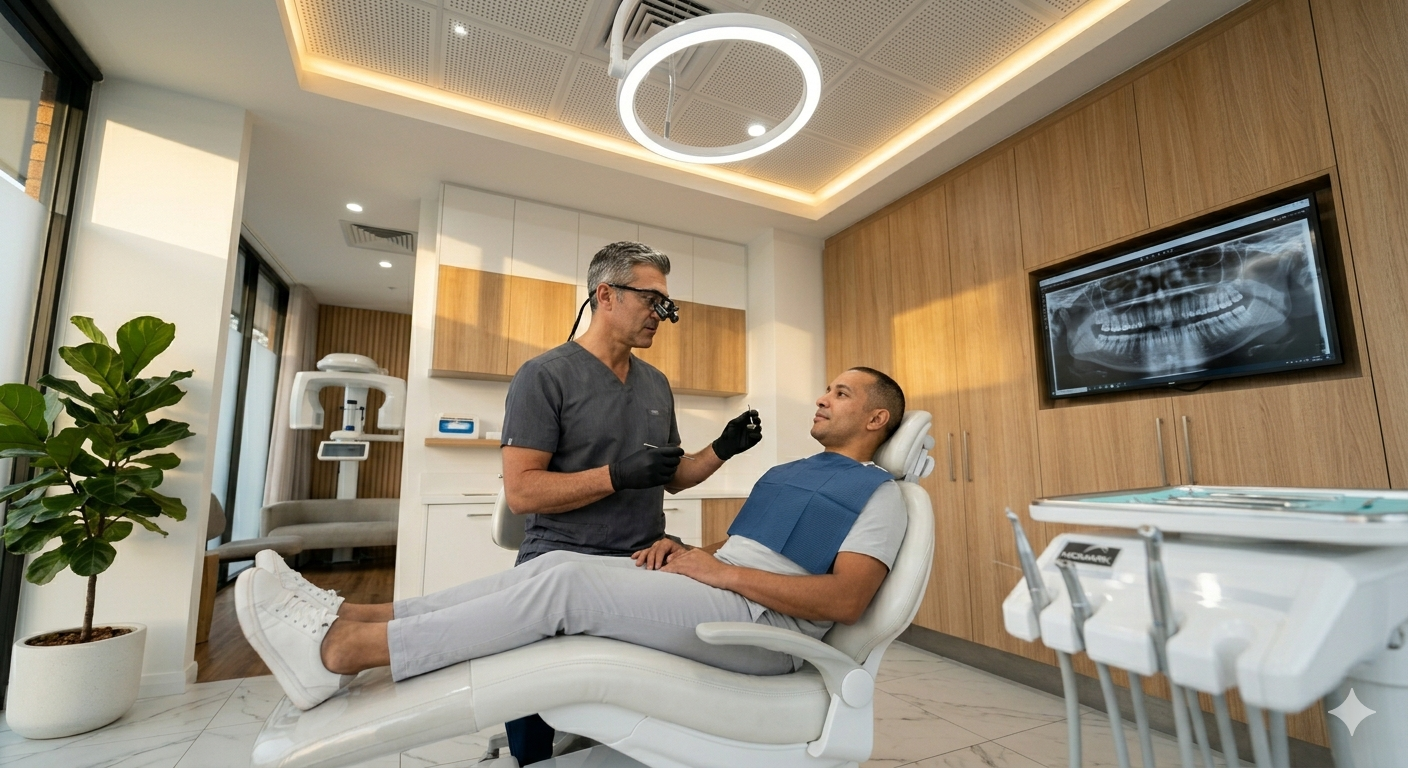
When dental pain strikes unexpectedly, knowing where to turn can make all the difference. Emergency dental services in Rego Park, NY, offer quick, compassionate care to address urgent issues like toothaches, broken teeth, or infections. These clinics prioritize patient comfort and use modern techniques to relieve pain and prevent complications.
Many people worry about finding trusted dental help outside regular office hours. Local emergency dentists in Rego Park understand these concerns and provide accessible, efficient care when it matters most. Whether it’s a sudden injury or severe discomfort, having reliable emergency options ensures prompt treatment and peace of mind.
What Are Emergency Dental Services?
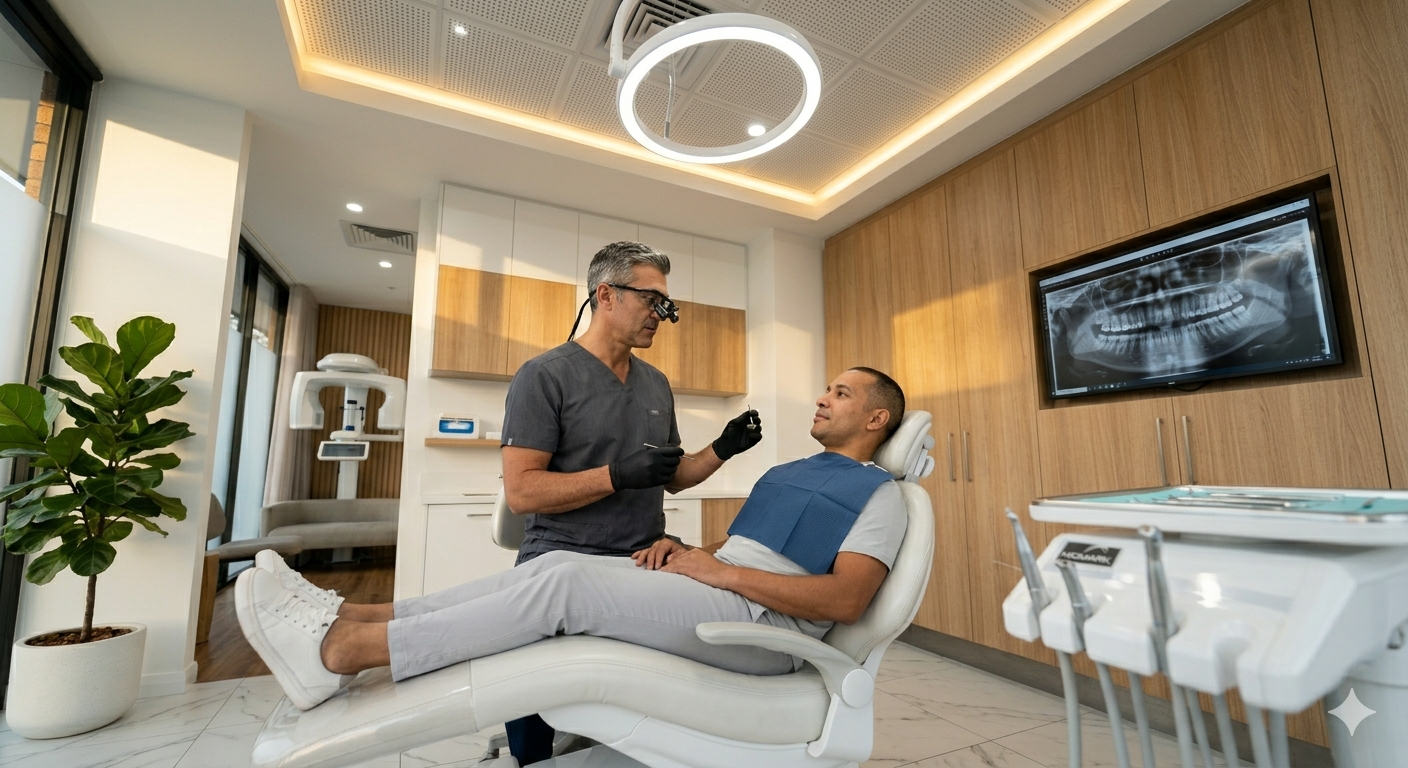
Emergency dental services are designed to provide quick care when urgent dental problems arise. These problems often cause pain, discomfort, or risk to oral health if not treated promptly.
Common situations include severe toothaches, knocked-out teeth, broken fillings, or injuries to the mouth and gums. They also cover infections or abscesses that may cause swelling and fever.
These services focus on pain relief, damage control, and preventing further complications. Dentists use tools and treatments to stabilize the issue, whether that means repairing a chipped tooth or draining an infection.
Emergency dental care may happen during off-hours, such as nights or weekends. This ensures patients in Rego Park, NY can get help when regular dental offices are closed.
Here’s a quick overview of typical emergency dental issues:
| Emergency Type | Description | Common Treatment |
|---|---|---|
| Severe Toothache | Intense pain from decay or injury | Pain relief, root canal |
| Knocked-Out Tooth | Tooth completely displaced | Reimplantation if possible |
| Broken Tooth | Cracks or chips from trauma | Bonding, crowns, or repair |
| Infection/Abscess | Painful swelling due to bacteria | Antibiotics, drainage |
Patients experiencing a dental emergency should contact a professional promptly. Quick intervention helps preserve teeth and ease pain, offering peace of mind and effective care.
Common Dental Emergencies in Rego Park NY
Dental emergencies often come with sudden pain or damage that requires quick attention to prevent further issues. Knowing what to expect and how local emergency dentists handle common problems can help patients feel more prepared and at ease.
Severe Toothaches
A severe toothache can signal an infection, decay, or damage deep inside the tooth. It usually involves intense, throbbing pain that doesn’t improve with over-the-counter painkillers. Sensitivity to hot or cold and swelling may also occur, indicating that a dental abscess could be forming.
Immediate care in Rego Park often includes thorough examination and X-rays to identify the source. Treatment may involve draining infection, root canal therapy, or extraction if necessary. Prompt attention helps control pain and prevents complications, ensuring the infection doesn’t spread to surrounding tissues.
Broken or Chipped Teeth
Chipped or broken teeth are common from accidents or biting hard foods. Even small chips can expose nerve endings, causing sensitivity or pain. Larger breaks might affect chewing or the tooth’s appearance, which can be distressing.
Emergency dentists in Rego Park can smooth minor chips or use bonding to restore the tooth’s shape. More significant breaks may require crowns or veneers to protect the tooth from decay and restore function. Patients should avoid chewing on the broken side and rinse with warm salt water until they get professional care.
Knocked-Out Teeth
A tooth knocked out completely demands immediate action to improve the chances of saving it. The key to recovery is time—ideally, the tooth should be reimplanted within 30 minutes to an hour.
In Rego Park, emergency dental providers advise patients to handle the tooth by the crown (top), avoid touching the root, and try to place it back in the socket gently. If that’s not possible, keeping the tooth moist in milk or saline can preserve it for transport. Quick care helps restore your smile and prevents future dental problems.
When to Seek Immediate Dental Care
Knowing when to act quickly can protect a smile and prevent pain from worsening. Some dental issues need prompt attention to avoid complications or permanent damage.
Signs of Urgent Dental Problems
Certain symptoms clearly signal the need for emergency dental care. Intense, persistent tooth pain that disrupts sleep or daily activities indicates an infection or severe decay. Swelling in the gums, face, or jaw can mean an abscess, which requires swift treatment to prevent spreading.
Bleeding that won’t stop after trauma, or a tooth that has been knocked out or fractured, also demands immediate care. Sensitivity that suddenly worsens or a bad taste in the mouth might suggest an infection. Ignoring these signs can lead to more painful and costly problems.
Situations That Require Same-Day Attention
Specific conditions need same-day intervention to save teeth and manage pain. A tooth that has been completely knocked out must be treated within hours for possible reimplantation. Deep cuts or wounds inside the mouth can require stitches or antibiotics to prevent infection.
Severe swelling causing difficulty breathing or swallowing is a critical emergency that goes beyond dental care and needs urgent medical evaluation. Broken dental restorations causing discomfort or exposing nerve endings should also be seen quickly to prevent infection and ease pain.
If any of these situations arise, contacting a Rego Park emergency dental provider without delay ensures the best chance for relief and recovery.
How Emergency Dental Treatments Work
Emergency dental care focuses on quickly addressing urgent problems like severe pain, broken teeth, or infections. The goal is to relieve discomfort, prevent further damage, and restore dental health using effective, immediate treatments.
Typical In-Office Emergency Procedures
When a patient arrives with a dental emergency, the dentist first evaluates the issue through an exam and X-rays. Common treatments include:
- Tooth extractions for severely damaged or infected teeth.
- Dental fillings or bonding to repair chipped or cracked teeth.
- Root canal therapy to save an infected or abscessed tooth.
- Temporary crowns to protect broken teeth until a permanent solution.
Each procedure is tailored to the injury’s severity and the patient’s overall oral health. The dentist works quickly to stabilize the situation while planning any necessary follow-up care.
Pain Management and Patient Comfort
Managing pain is a top priority during emergency visits. Dentists use local anesthesia to numb the area and may offer sedation options for anxious patients. Over-the-counter or prescription pain medications help control discomfort after treatment.
Dental teams also focus on creating a calm, supportive environment. They explain each step clearly and encourage patients to express their concerns. This approach helps reduce anxiety and makes the experience more comfortable, ensuring patients feel cared for from start to finish.
What to Do Before Seeing an Emergency Dentist
Before visiting the emergency dentist, patients should take specific actions to manage discomfort and prepare for treatment. Knowing how to handle the situation can reduce pain and complications.
Steps to Take at Home
First, the patient should gently rinse their mouth with warm salt water. This helps clear debris and reduce bacteria. Avoid using very hot or cold water, as this may worsen pain.
If a tooth is knocked out, it is important to find the tooth, handle it by the crown (not the root), and place it in milk or saliva to keep it moist. Prompt dental care increases the chance of saving the tooth.
Do not attempt to push a broken or loose tooth back into place. Instead, stabilize it with a clean cloth or gauze until professional help is available.
Handling Pain and Swelling Safely
Over-the-counter pain relievers like ibuprofen or acetaminophen can ease the pain. Follow the dosing instructions carefully and do not exceed the recommended amount.
Applying a cold compress on the outside of the cheek helps reduce swelling and numbs the area. Use the compress for 10-15 minutes with breaks in between to avoid skin damage.
Avoid placing aspirin directly on the gums or affected area, as this can cause burns or irritation. Keep the head elevated to minimize throbbing and swelling if lying down.
Choosing the Right Emergency Dentist in Rego Park NY
Finding a dependable emergency dentist means focusing on qualities that ensure quick relief and lasting care. It also involves checking whether the dentist has handled urgent cases like yours before. These factors work together to provide comfort and trust when unexpected dental issues arise.
Qualities to Look for in a Dental Provider
A good emergency dentist in Rego Park prioritizes patient comfort and rapid response times. Look for providers who offer same-day appointments and flexible hours, including evenings or weekends. Friendly staff who explain procedures clearly help reduce anxiety.
Modern equipment and a clean, welcoming office signal professionalism and attention to safety. Transparent pricing is important too, so patients know what costs to expect without surprises. Availability of pain management options, such as local anesthesia or sedation, can improve your experience during urgent treatments.
Experience With Urgent Dental Care
Experience with urgent dental care means the dentist has handled broken teeth, severe pain, and infections successfully. Dentists familiar with emergency cases tend to act quickly to prevent complications like abscesses or further damage.
Check if the dentist is trained in multiple emergency treatments like root canals, extractions, or tooth repairs. Their skill level affects how smoothly your emergency is handled. Staff who remain calm and thorough under pressure contribute to faster, effective care when every minute counts.
Preventing Dental Emergencies
Taking simple daily steps and keeping up with professional dental care can significantly reduce the risk of dental emergencies. Building good habits and staying proactive about oral health helps protect teeth from sudden damage or infection.
Daily Oral Care Tips
Brushing twice a day with a soft-bristled toothbrush and fluoride toothpaste removes plaque and prevents decay. It’s important to brush gently along the gumline to protect gums from irritation. Flossing daily clears food particles and bacteria between teeth where brushes can’t reach.
Limiting sugary snacks and acidic drinks also protects enamel from erosion. Using a mouthguard during sports or physical activities prevents accidental tooth injuries. Avoid biting hard objects like ice, pens, or popcorn kernels, which can cause cracks or chips.
Consistency matters more than intensity—short, regular care sessions work better than aggressive, infrequent ones. Drinking plenty of water throughout the day supports saliva production, which naturally cleans the mouth and fights bacteria.
Importance of Regular Dental Visits
Regular dental checkups catch small problems before they become emergencies. A dentist can spot early signs of decay, gum disease, or weakening restorations that might otherwise cause sudden pain or breakage. Professional cleanings remove tartar buildup that brushing alone can’t eliminate.
Most dentists recommend visits every six months, but some patients may need more frequent checks based on medical history or risk factors. These visits also allow for updates on preventive care, including sealants, fluoride treatments, or advice on lifestyle changes.
During exams, X-rays reveal hidden issues such as cysts, bone loss, or impacted teeth, enabling timely treatment. Discussing any discomfort or changes in dental health with the dentist ensures tailored care and peace of mind.
Cost and Insurance for Emergency Dental Services
Emergency dental care costs can vary widely depending on the nature of the problem. Simple treatments like X-rays or exams might cost less, while procedures such as tooth extractions or root canals usually come with higher fees.
Many dental offices in Rego Park, NY, offer transparent pricing upfront. Patients should ask for an estimate before treatment to avoid surprises.
Insurance coverage often helps reduce out-of-pocket expenses. Most dental insurance plans cover emergency visits and treatments, but the extent of coverage depends on the specific policy.
Here are some common situations regarding insurance and emergency dental care:
- Covered emergency exams: Usually included with a small copay.
- Procedural coverage: Depends on whether the treatment is deemed urgent or elective.
- Out-of-network providers: Can increase costs; verify if the emergency dentist accepts your insurance.
For those without insurance, some practices offer payment plans or sliding scale fees based on income.
Understanding your insurance benefits before an emergency occurs can save stress during urgent situations. It’s a good idea to keep your dental insurance information handy and call your provider to confirm what’s covered.
When in pain or facing a dental emergency, seeking care promptly matters more than costs. Dentists in Rego Park prioritize quick relief and will often work with you on affordable solutions.
Next Steps: How to Get Help in a Dental Emergency
When a dental emergency happens, quick action can make a big difference. The first step is to stay calm and assess the situation. If there is severe pain, bleeding, or a knocked-out tooth, it’s important to seek professional help as soon as possible.
Patients should call an emergency dental service in Rego Park, NY, right away. Many local offices offer same-day appointments or after-hours care to address urgent needs promptly. If you’re unsure where to go, calling your general dentist or a nearby emergency clinic is a good start.
In the meantime, simple home care can ease discomfort. For example, rinsing the mouth gently with warm water or applying a cold compress to reduce swelling can provide some relief. Avoid eating hard foods or touching the affected area.
Here’s a quick checklist for dental emergencies:
| Emergency Type | Immediate Action |
|---|---|
| Knocked-out tooth | Hold by the crown, rinse, store in milk, call dentist fast |
| Broken tooth or filling | Save fragments, avoid chewing on it, call dentist |
| Severe pain or swelling | Rinse, use cold compress, seek urgent dental care |
| Bleeding that won’t stop | Apply gentle pressure, go to emergency room if heavy |
Encouraging readers to act swiftly and remember they’re not alone helps ease the stress of dental emergencies. A friendly dental team in Rego Park is ready to provide expert care when it counts the most.
Frequently Asked Questions
Knowing how to act quickly and correctly during a dental emergency can ease pain and improve outcomes. Understanding which symptoms require immediate care and what steps to take at home helps patients feel more in control.
What should I do right away if I have a sudden toothache that won’t let me sleep?
They should rinse their mouth with warm water and gently floss around the painful area to remove any trapped food. Avoid putting aspirin or any painkillers directly on the gum or tooth. Contact a dentist as soon as possible for an evaluation.
How can I tell if my dental problem is truly urgent or something that can wait a day or two?
Severe pain, uncontrolled bleeding, a knocked-out tooth, or obvious swelling usually signals an urgent issue. Mild discomfort, slight sensitivity, or minor chips can often wait a day or two but should still be checked. When in doubt, it’s safer to seek care promptly.
What are the most common emergency treatments for a chipped, cracked, or knocked-out tooth?
Dentists typically smooth chips, bond cracks, or protect teeth with crowns. For knocked-out teeth, quick re-implantation within an hour improves success chances. Temporary measures like dental adhesives or splints may be used while planning final treatment.
How quickly should I be seen if I have facial swelling, an abscess, or signs of infection?
Facial swelling, fever, or pus usually requires same-day care to prevent the infection from spreading. Ignoring these signs can lead to serious health risks, so immediate dental attention is important.
What can I safely do at home to manage pain or bleeding until I get to the dentist?
They can apply a cold compress outside the cheek to reduce swelling and use over-the-counter pain relievers as directed. For bleeding, gentle pressure with a clean cloth or gauze helps. Avoid hard foods and keep the head elevated.
What should I expect during an emergency dental visit, and how do dentists keep it as comfortable as possible?
The dentist will assess the injury quickly and may offer local anesthesia to control pain. They explain each step to reduce anxiety and use modern techniques to minimize discomfort. Emergency visits focus on stabilizing the problem and planning follow-up care.

 Call Now