
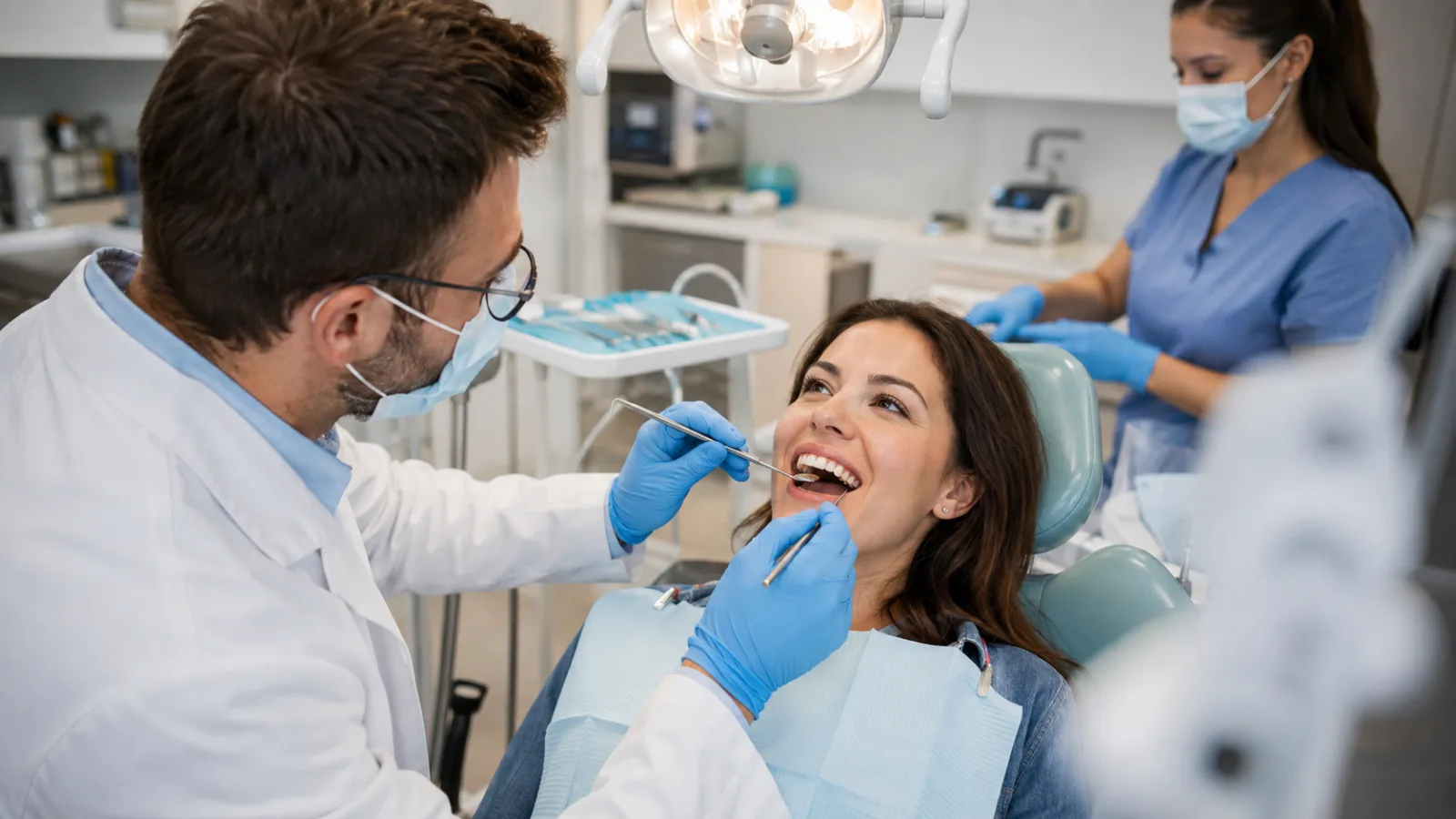
Routine dental visits may not feel urgent when nothing hurts, but they are among the most practical ways to protect a healthy smile. Dental exams give the dentist an opportunity to look for subtle changes, while professional cleanings remove deposits that brushing and flossing cannot always handle at home.
For patients considering dental exams and cleanings in Rego Park, NY, knowing what to expect can make the appointment feel easier. These visits are typically straightforward, preventive, and tailored to the condition of each patient’s teeth and gums.
This article provides general educational information and is not a substitute for an examination or personalized advice from a dentist. Anyone with pain, swelling, bleeding, or another oral health concern should consult a dental professional.
Why Dental Exams and Cleanings Matter
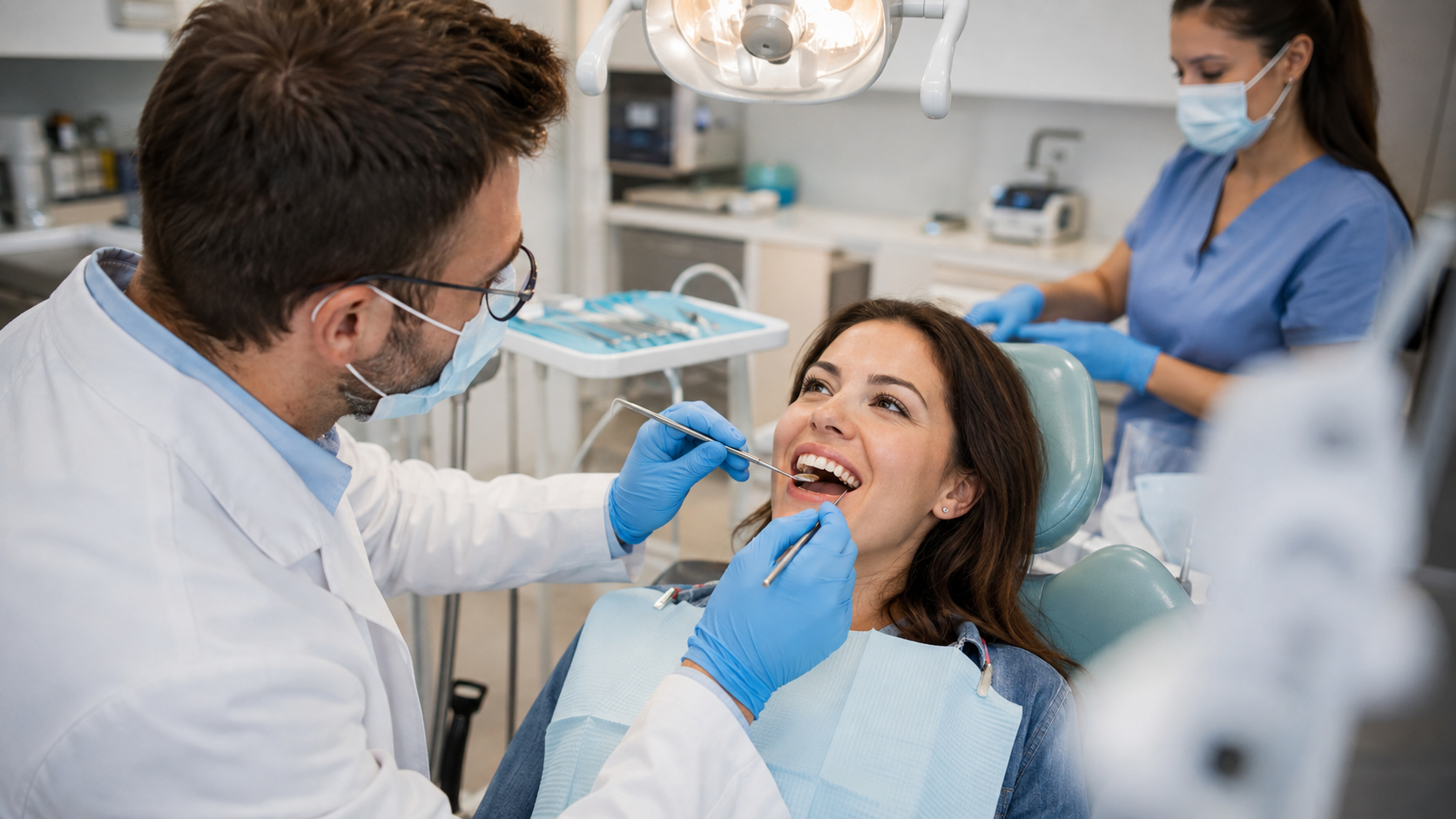
Daily brushing and flossing form the foundation of oral hygiene, but home care and professional care serve different purposes. Plaque is a sticky film that continually develops on teeth. If some plaque remains in place, it can harden into tartar, also called calculus. A toothbrush cannot reliably remove hardened tartar, so professional instruments are needed.
A dental examination serves another purpose: it allows the dentist to evaluate areas that may be difficult for a patient to see or feel. A small cavity, early gum inflammation, a worn filling, or a change in the way the teeth meet may not cause immediate discomfort. Identifying a concern early may allow the dentist to discuss simpler or more conservative options, depending on the findings.
Regular visits also create a useful record of oral health over time. Instead of looking at one isolated moment, the dental team can compare current findings with previous examinations and images.
What Happens During a Routine Dental Exam?
A routine visit commonly begins with a review of the patient’s dental and medical history. Patients should mention new medications, recent diagnoses, pregnancy, allergies, past reactions to dental treatment, and any changes involving the mouth or jaw. Health information can affect oral health and help the team plan care appropriately.
A conversation about current concerns
The dental team may ask whether the patient has noticed sensitivity, discomfort while chewing, bleeding during brushing, dry mouth, jaw soreness, or changes in the appearance of a tooth. Even concerns that seem minor are worth mentioning.
This is also a good time to discuss dental anxiety. A patient can ask the team to explain each step, take breaks, or establish a signal for pausing. Clear communication can make the experience more comfortable and predictable.
Examination of the teeth, gums, and mouth
During the clinical examination, the dentist checks the teeth and existing dental work for visible signs of decay, cracks, wear, or damage. The gums may be assessed for redness, swelling, recession, bleeding, and changes in the spaces around the teeth.
The dentist may also examine the tongue, cheeks, palate, bite, and jaw. The exact components depend on the patient’s history, symptoms, age, and individual risk factors.
Dental X-rays when appropriate
X-rays are not automatically required at every visit. The dentist decides whether imaging is appropriate based on factors such as previous findings, current symptoms, cavity risk, gum health, age, and the date of earlier images.
When needed, X-rays can provide information about areas that are not visible during a clinical examination, including certain surfaces between teeth and structures below the gumline. Patients who are pregnant or think they may be pregnant should tell the dental team before imaging.
What Happens During a Professional Cleaning?
A routine cleaning focuses on removing plaque, tartar, and surface stains from accessible areas around the teeth and gumline. The process usually includes several steps, although the exact approach can vary.
Plaque and tartar removal
A dental professional uses specialized hand instruments or an ultrasonic device to loosen and remove deposits. Patients may hear scraping or gentle vibrating sounds and notice water during ultrasonic cleaning. These sensations are normal, but a patient should speak up if an area feels sensitive.
Polishing and cleaning between teeth
After tartar removal, the teeth may be polished to help remove some surface stains and residual plaque. The dental professional may also floss between the teeth and review any areas where plaque tends to accumulate.
A professional cleaning can make the mouth feel fresher, but its main purpose is preventive health rather than cosmetic whitening. Polishing may reduce some external staining, but it does not change the natural internal color of teeth in the way professional whitening treatment can.
Personalized home-care guidance
Instead of offering only general reminders, the dental team may point out specific areas that need more attention. For example, a patient may benefit from adjusting the angle of the toothbrush near the gumline or using an interdental brush around a bridge, implant, or wider space.
The most useful home-care routine is one that the patient can follow consistently. Patients can ask for product recommendations or a demonstration if flossing, brushing, or caring for dental restorations feels difficult.
Is a Routine Cleaning the Same as a Deep Cleaning?
No. A routine preventive cleaning and periodontal deep cleaning are different services.
A routine cleaning generally addresses deposits on the teeth and around the gumline in a patient whose gum condition is suitable for preventive care. A deep cleaning, often called scaling and root planing, may be recommended when an examination identifies gum disease and deposits below the gumline.
The appropriate type of cleaning cannot be determined from symptoms alone. Gum measurements, clinical findings, dental history, and sometimes X-rays help the dentist make that decision. Patients who are told they need periodontal treatment should feel comfortable asking what the examination showed, which areas are affected, and how ongoing maintenance may differ from routine care.
How Often Should Exams and Cleanings Be Scheduled?
Many people are familiar with the idea of visiting a dentist every six months. Pure Arts Dental Care encourages patients to schedule routine checkups and cleanings at six-month intervals, while recognizing that recommendations may be personalized.
There is no single schedule that is ideal for every person. According to the Cleveland Clinic’s oral hygiene guidance, many people need cleanings every six months, while patients who are prone to cavities or gum disease may need more frequent care. The dentist should recommend an interval based on the patient’s oral health, risk factors, treatment history, and home-care routine.
Patients should not wait for the next routine appointment if they develop tooth pain, gum swelling, persistent bleeding, a loose tooth, a broken restoration, or chronic bad breath. These signs warrant a dental consultation rather than a delayed preventive visit.
How to Prepare for the Appointment
A little preparation can help the visit run smoothly:
- Bring identification, insurance information, and a current medication list.
- Share relevant medical conditions, allergies, and recent health changes.
- Write down questions or symptoms so they are not forgotten.
- Bring available dental records or recent X-rays when transferring from another office.
- Tell the team in advance about anxiety, sensitivity, accessibility needs, or other accommodations.
- Ask about expected fees and insurance coverage before treatment when cost is a concern.
Patients do not need to make their teeth “perfect” before a cleaning. Brushing normally before the visit is courteous, but the dental team is there to identify concerns and help—not to judge.
What If It Has Been Years Since the Last Dental Visit?
Feeling embarrassed can make it tempting to postpone care, but delaying the appointment only extends the uncertainty. Dental teams routinely see patients who have missed visits because of anxiety, cost, family responsibilities, health issues, or a busy schedule.
The first step is an evaluation. The dentist can explain what looks healthy, what may need attention, and which concerns should be prioritized. If treatment is recommended, patients can ask about alternatives, timing, expected costs, and what might happen if care is postponed.
Not every issue must necessarily be handled in one appointment. The plan depends on clinical urgency and the patient’s needs. A respectful dental visit should leave the patient better informed and more confident about the next step.
Supporting Oral Health Between Visits
Professional care works best alongside consistent habits at home. Patients should brush thoroughly with fluoride toothpaste, clean between the teeth, and replace a worn toothbrush or brush head. A dentist can recommend tools and techniques for patients with braces, implants, bridges, limited dexterity, or sensitive gums.
Dietary habits also matter. Frequent exposure to sugary or acidic foods and drinks can be harder on teeth than enjoying them occasionally with meals. Water is a tooth-friendly everyday beverage, and avoiding tobacco supports both oral and general health.
Most importantly, patients should pay attention to changes. Sensitivity that persists, gums that bleed repeatedly, pain when biting, or a sore that does not seem to heal should be discussed with a dental professional.
Frequently Asked Questions
Do dental cleanings hurt?
Routine cleanings are generally well tolerated, although sensitivity can occur when gums are inflamed, tartar buildup is substantial, or tooth roots are exposed. Patients should tell the dental professional about discomfort so the technique can be adjusted and comfort options can be discussed.
How long does an exam and cleaning take?
Appointment length varies based on whether the patient is new, whether X-rays are needed, the amount of buildup present, and the condition of the teeth and gums. The office can provide a scheduling estimate, but findings during the examination may affect the visit.
Can a cleaning remove all tooth stains?
A cleaning may remove some surface stains caused by substances such as coffee, tea, or tobacco. It will not necessarily change the underlying shade of the teeth or remove every type of discoloration. A dentist can explain whether whitening or another cosmetic option may be appropriate after evaluating oral health.
Should a patient schedule a cleaning when a tooth hurts?
The patient should tell the office about the pain when scheduling. A toothache may require a problem-focused examination rather than only a routine cleaning. Severe pain, facial swelling, fever, difficulty swallowing, or difficulty breathing requires prompt professional attention; breathing or swallowing difficulty may require emergency medical care.
Are exams still necessary for someone with dentures or implants?
Yes. The dental team can evaluate the gums, oral tissues, bite, restorations, and areas around implants or remaining natural teeth. The recommended examination and maintenance schedule depends on the individual’s oral health and type of restoration.
Schedule Preventive Dental Care in Rego Park
Regular exams and cleanings help patients understand their oral health, address concerns early, and keep home-care routines on track. The best schedule and type of cleaning should always reflect the individual patient rather than a one-size-fits-all rule.
Pure Arts Dental Care welcomes patients seeking preventive dental care at 98-71 Queens Blvd, Rego Park, NY 11374. To ask a question or arrange an appointment, patients can visit the practice contact page or call (718) 437-7777. A conversation with the dental team can help clarify what to expect and identify an appropriate next step.

 Call Now