Choosing a dentist is about more than finding someone who can examine a tooth. Patients also want clear communication, a comfortable experience, thoughtful treatment options, and results that look natural. That balance between clinical care and attention to detail is often described as the art and science of dentistry.
People searching for “dental art care Rego Park NY” may be looking for a local dental office that considers both oral health and the appearance of a smile. At Pure Arts Dental Care, the goal is to understand each patient’s needs, explain available options, and develop an individualized plan rather than taking a one-size-fits-all approach.
Patient note: This article provides general educational information and cannot diagnose a dental condition or recommend a specific treatment. A dentist must examine the teeth, gums, bite, and relevant health history before offering personalized guidance.
What Does “Dental Art Care” Mean?
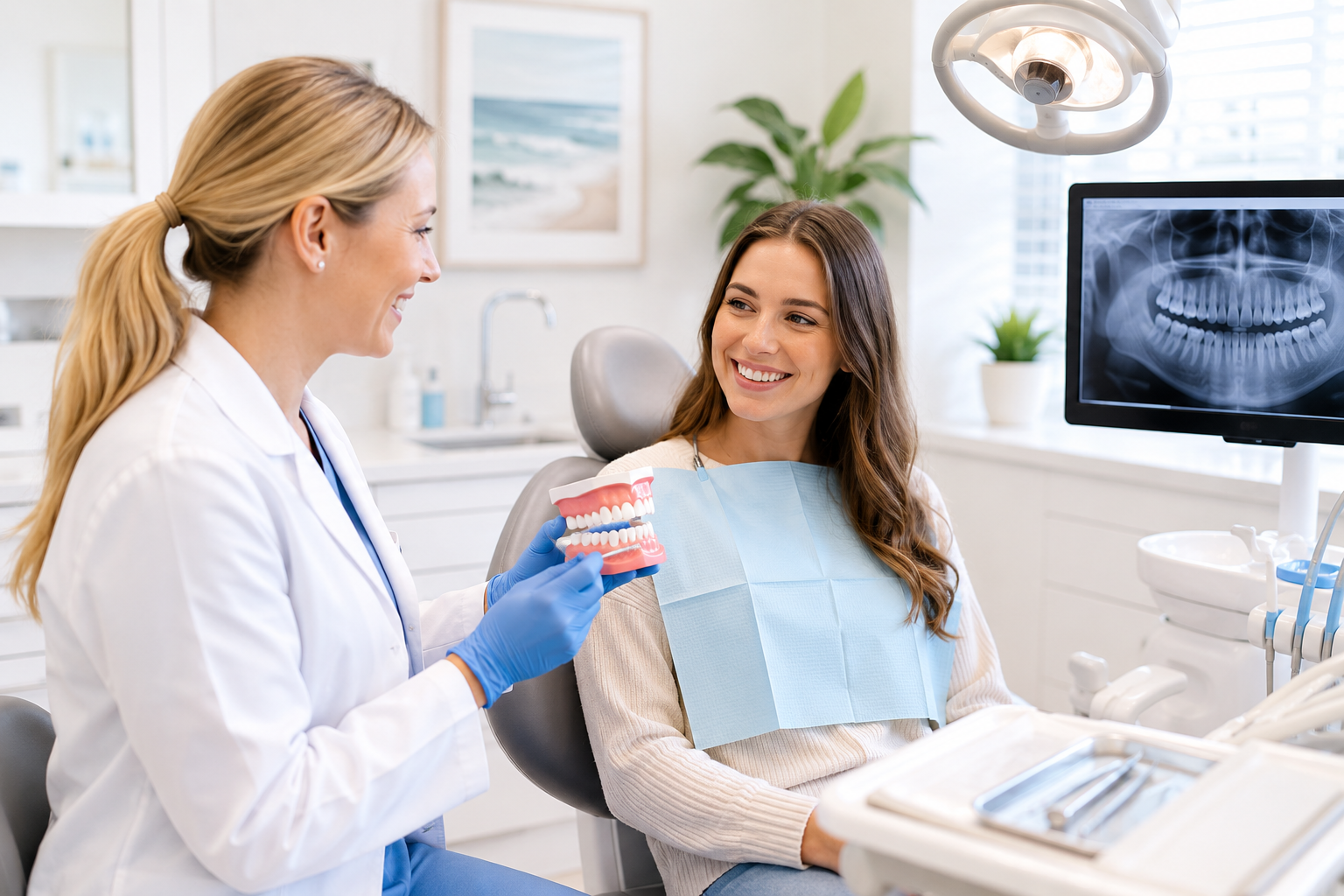
Dentistry requires scientific knowledge, technical skill, and careful planning. It also involves an artistic eye, especially when treatment affects the visible teeth. A restoration should not only serve its intended purpose; its shape, proportion, and overall appearance should also fit comfortably within the patient’s smile whenever possible.
The artistic side of dental care can include considering details such as:
- The size and shape of visible teeth
- How neighboring teeth relate to one another
- The appearance of a restoration when a patient smiles or speaks
- The balance between the teeth, gums, lips, and facial features
- A patient’s personal preferences and treatment priorities
These considerations do not replace oral health. Instead, they complement it. A thoughtful plan begins with the condition and function of the mouth, followed by a discussion of appearance, comfort, timing, and the patient’s goals.
A Patient-Centered Approach to Dentistry
Dental care can feel stressful when patients do not know what is happening or feel rushed into making a decision. A patient-centered office helps reduce that uncertainty by encouraging questions and explaining findings in everyday language.
According to the practice’s doctor profile, Dr. Pinkhasov treats patients as partners in their dental care. That approach includes explaining diagnoses, reviewing options, and giving patients an opportunity to understand the proposed next steps.
Good communication is particularly valuable when more than one treatment option may be available. Patients should feel comfortable asking:
- What did the examination or imaging show?
- Why is treatment being recommended?
- Are there reasonable alternatives?
- What happens if treatment is postponed?
- How many appointments may be involved?
- What fees and insurance considerations should be expected?
A clear conversation does not obligate someone to begin treatment immediately. It gives the patient information to make a more confident decision.
Preventive Care: The Foundation of a Healthy Smile
Modern dentistry is not limited to repairing problems after they become uncomfortable. Preventive visits give the dental team an opportunity to examine the mouth, clean areas that may be difficult to reach at home, and discuss changes the patient has noticed.
Prevention also includes daily habits. Brushing, cleaning between the teeth, making thoughtful food and beverage choices, and attending checkups based on a dentist’s recommendation all contribute to an ongoing oral care routine. The appropriate visit schedule may differ according to a person’s dental history, current oral health, and individual risk factors.
Patients should mention any changes at an appointment, even if they seem minor. Examples include new sensitivity, bleeding while brushing, a rough tooth edge, persistent bad breath, discomfort when chewing, or a restoration that feels different. These symptoms can have several possible causes, so an examination is more useful than trying to identify the problem at home.
Understanding the Range of Dental Care
Dental needs can change throughout life. One patient may only need routine preventive care, while another may want to discuss a damaged tooth, missing teeth, or the appearance of a smile. Pure Arts Dental Care states that it provides care for patients of different ages and offers preventive, restorative, cosmetic, implant, and emergency dental services.
Restorative Dentistry
Restorative care focuses on teeth that are damaged, worn, missing, or otherwise in need of repair. The most suitable option depends on the examination, the amount of healthy tooth structure, the condition of the gums and supporting tissues, and the patient’s broader goals.
When discussing a restoration, patients can ask how it is intended to help, what maintenance it may require, and whether other options are available. No restoration is identical to a natural tooth, and no treatment can be promised to last for a specific period. Ongoing home care and professional follow-up remain important.
Cosmetic Dentistry
Cosmetic concerns are personal. Some patients are bothered by discoloration, uneven edges, gaps, or changes in older dental work. Others simply want to know whether a subtle improvement is possible.
A cosmetic conversation should begin with oral health and realistic expectations. The dentist can then explain which options may be appropriate, what each option can and cannot change, and whether treatment would affect natural tooth structure. The goal is not to create the same smile for every patient. It is to find an approach that suits the individual’s features, preferences, and dental condition.
Dental Implant Consultations
Dental implants may be discussed as one possible way to replace missing teeth, but candidacy cannot be determined from a photograph or a brief online description. The process begins with a consultation, examination, health review, and appropriate imaging. The practice notes that implant consultations may include a 3D scan to help determine what may be possible and what the proposed treatment could involve.
It is also helpful to understand that implant care has separate stages. Early symptom recovery after a procedure is not the same as soft-tissue healing. Both are different from osseointegration, the biological stage during which an implant integrates with supporting bone. Completion of the full treatment occurs later, when the planned final restoration is delivered. The sequence and timing vary, and certain patients may need additional procedures or healing before moving forward.
A consultation is the appropriate time to discuss candidacy, alternatives, potential risks, expected stages, fees, and the limitations of treatment.
Urgent Dental Concerns
Dental discomfort and injuries can be unsettling. Because different conditions may produce similar symptoms, an office should evaluate urgent concerns rather than relying on an online diagnosis. Patients who experience significant pain, swelling, trauma, uncontrolled bleeding, or another rapidly changing problem should contact a dental or medical professional promptly for guidance. Severe symptoms affecting breathing or swallowing warrant emergency medical attention.
Comfort Is More Than a Comfortable Chair
A reassuring dental experience begins before treatment. It includes respectful scheduling, straightforward explanations, opportunities to pause and ask questions, and awareness of a patient’s concerns.
Anyone who feels nervous about dental visits should mention it when scheduling and again at the appointment. Sharing previous experiences, specific triggers, or worries about discomfort allows the team to communicate more effectively. Patients can also request that the dentist explain each step before proceeding.
Comfort includes informed decision-making as well. Before agreeing to care, a patient should understand the purpose of the recommendation, the expected appointment process, available alternatives, and anticipated costs. Written treatment plans can make it easier to review those details without feeling rushed.
How to Choose a Dentist in Rego Park
Convenience matters, but it should not be the only consideration. A dental office should also make patients feel heard, respected, and informed. When comparing local practices, consider the following:
- Communication: Does the team answer questions clearly and respectfully?
- Scope of care: Does the office provide the preventive and treatment services the patient may need?
- Planning: Are options, limitations, costs, and next steps explained before treatment?
- Comfort: Does the team welcome conversations about anxiety or previous difficult experiences?
- Location: Is the office practical to reach for both planned and follow-up visits?
- Continuity: Can the practice support routine care as needs change over time?
Pure Arts Dental Care is located at 98-71 Queens Blvd, Rego Park, NY 11374, near the Forest Hills border. Its Queens Boulevard location serves patients from Rego Park, Forest Hills, and surrounding Central Queens communities.
Preparing for a First Dental Appointment
A little preparation can make a new-patient visit easier. Patients can bring identification, insurance information if applicable, a current medication list, and any available dental records or recent images requested by the office.
It is also helpful to write down questions beforehand. Mention current symptoms, medical conditions, allergies, previous dental experiences, and personal goals. Even a concern that seems cosmetic may influence treatment planning, so patients should feel free to explain what they would like to change.
If cost is a concern, ask for an estimate and insurance information before scheduling treatment. Fees may vary according to the diagnosis, materials, number of visits, and complexity of care. A personalized examination is therefore necessary before accurate treatment recommendations and pricing can be provided.
Frequently Asked Questions
What services does Pure Arts Dental Care offer?
The practice describes its care as including routine checkups and cleanings, restorative treatment, cosmetic services, dental implants, and emergency dental care. Availability and suitability depend on each patient’s needs and clinical evaluation.
Can a dentist improve both the health and appearance of a smile?
In many cases, a treatment plan can consider function, oral health, and appearance together. However, the appropriate priorities and options depend on the condition of the teeth, gums, bite, and supporting structures. A dentist can explain what is realistic after an examination.
What if a patient feels anxious about visiting the dentist?
The patient should tell the office when making the appointment. Explaining specific concerns gives the team an opportunity to discuss the visit, answer questions, and plan communication around the patient’s comfort.
Is a consultation necessary before dental implant treatment?
Yes. Implant planning requires an individualized evaluation. The dentist must review the patient’s mouth, health history, imaging, goals, and possible alternatives before determining whether implant treatment may be appropriate.
Where is Pure Arts Dental Care located?
Pure Arts Dental Care is located at 98-71 Queens Blvd, Rego Park, NY 11374, on the Forest Hills border. The office can be reached at (718) 437-7777. Patients can confirm current availability and request accommodations through the practice’s contact page.
Bring Health, Comfort, and Thoughtful Design Together
The best dental experience is not simply about completing a procedure. It is about understanding the patient, protecting oral health, and recommending care that respects comfort, appearance, function, and personal priorities.
For patients looking for dental art care in Rego Park, NY, Pure Arts Dental Care offers a local setting where clinical planning and smile aesthetics can be considered together. To ask a question or arrange a consultation, contact the team at (718) 437-7777 or visit the office at 98-71 Queens Blvd, Rego Park, NY 11374. A conversation and examination can help clarify the next appropriate step without pressure or guesswork.

 Call Now