
If crooked, crowded, or unevenly spaced teeth make you hesitant to smile, clear aligners may offer a discreet way to explore orthodontic treatment. Many adults and teens considering Invisalign in Rego Park, NY, appreciate that the trays are removable and less noticeable than traditional metal braces.
Choosing an orthodontic treatment is still an important decision. Clear aligners require professional planning, consistent daily wear, good oral hygiene, and regular progress checks. Understanding the process can help you arrive at a consultation with realistic expectations and useful questions.
This article provides general dental information and is not a diagnosis or personalized treatment recommendation. A dentist or orthodontist must examine your teeth, gums, bite, and dental records to determine whether Invisalign is appropriate for you.
What Is Invisalign?
Invisalign is a clear aligner system designed to move teeth gradually according to a customized treatment plan. Instead of using brackets and wires, the system uses a sequence of thin, removable trays. Each set is shaped to apply carefully planned pressure to selected teeth.
The aligners are made to fit closely over the teeth, which makes them relatively discreet during conversations, photographs, work, and social events. They can also be removed for meals and routine brushing and flossing.
Although the trays may look simple, the treatment behind them is not a do-it-yourself process. A trained dental professional evaluates the bite, plans tooth movement, monitors progress, and makes adjustments when needed.
What Concerns Can Clear Aligners Address?
Depending on the individual case, a dentist may consider clear aligners for concerns such as:
- Crowded or overlapping teeth
- Gaps between teeth
- Crooked or rotated teeth
- Certain overbite, underbite, crossbite, or open-bite patterns
- Teeth that have shifted after previous orthodontic treatment
Not every alignment or bite problem is best treated with Invisalign. The position of the teeth and roots, the health of the supporting gums and bone, and the complexity of the bite all matter. Some patients may benefit from another orthodontic method or from care coordinated with a specialist.
What Happens During an Invisalign Consultation?
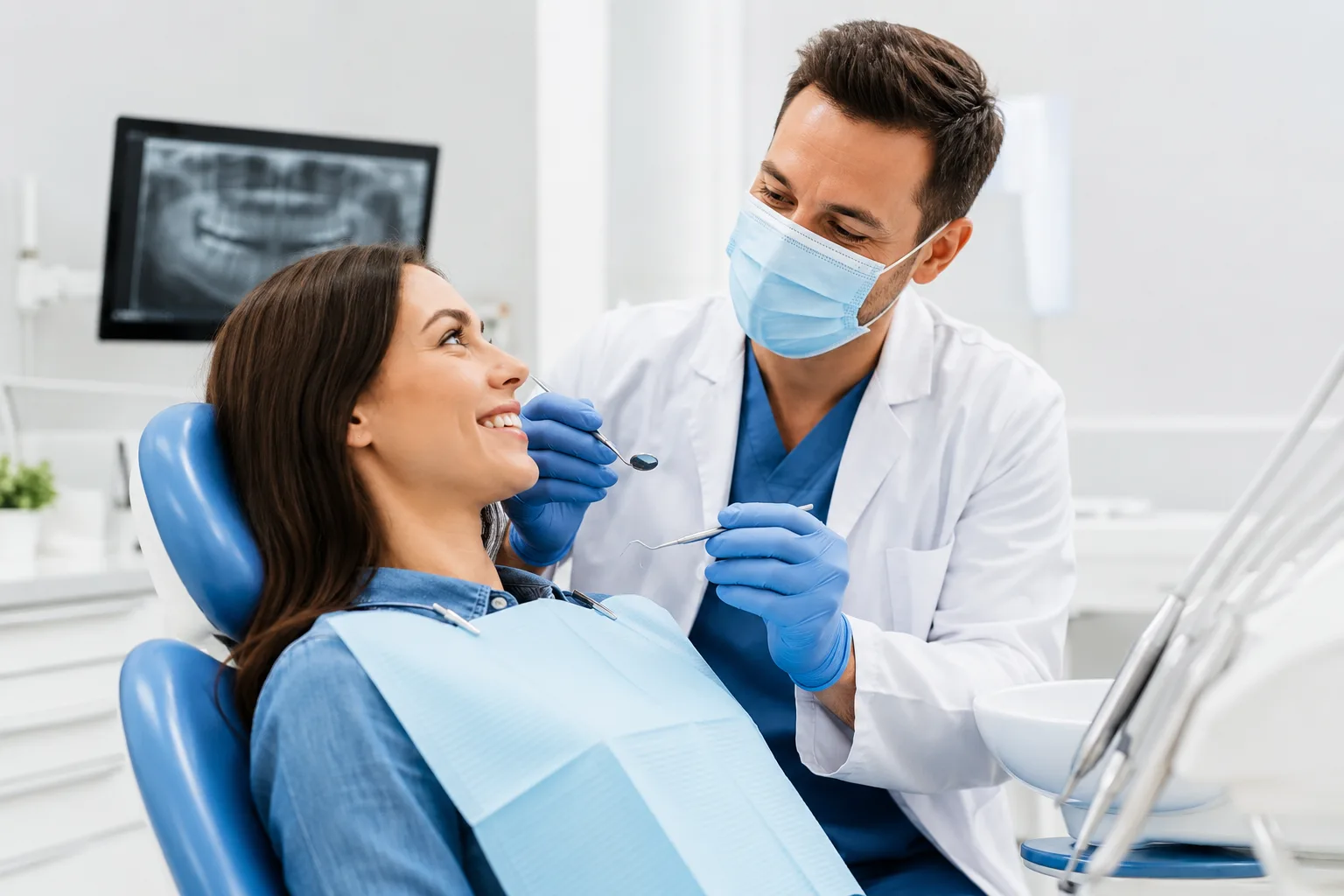
An Invisalign consultation is more than a quick look at the front teeth. The dentist needs to understand both the appearance and function of the entire smile.
Dental and health review
The visit generally begins with a discussion of the patient’s goals, dental history, previous orthodontic care, current medications, and relevant health conditions. This is a good time to mention jaw discomfort, tooth sensitivity, gum concerns, or prior dental restorations.
Examination and records
The dentist examines the teeth, gums, and bite. Digital scans, photographs, and appropriate X-rays may be recommended to gather the information needed for planning. A digital scan can create a detailed model of the mouth without relying on traditional impression material in many cases.
Personalized treatment discussion
After reviewing the findings, the dentist can explain whether clear aligners appear suitable, what movements may be possible, and whether other dental care should happen first. The conversation should also cover anticipated fees, payment arrangements, insurance questions, progress visits, and retention after active treatment.
A digital smile preview can be useful for explaining the plan, but it should be viewed as a planning tool rather than a guaranteed picture of the final result. Teeth do not always respond exactly as predicted, so monitoring and possible plan adjustments remain important.
What Is It Like to Wear Invisalign?
Clear aligner treatment becomes part of the daily routine. Patients are expected to follow the wear schedule provided by their dentist and move to a new set only as directed. Inconsistent wear may make it harder for the teeth to follow the planned sequence.
Eating and drinking
Aligners are generally removed for meals. Patients should follow their dentist’s instructions about beverages while the trays are in place, as some drinks may stain the aligners or expose the teeth to sugars and acids trapped beneath them.
Because the trays are removable, there are usually fewer food-related limitations than with fixed braces. The important part is remembering to store the aligners safely rather than wrapping them in a napkin or leaving them where they could be damaged.
Speaking and comfort
Some people notice a temporary change in speech when they first begin wearing aligners. The mouth often needs time to adjust to having a thin appliance over the teeth.
Patients may also notice pressure when starting a new set of trays. Any pain that is severe, persistent, or accompanied by swelling, a damaged tooth, or another concerning symptom should be reported to the treating dentist rather than assumed to be normal.
Attachments and other treatment features
Small tooth-colored attachments may be placed on certain teeth to help the aligners perform planned movements. Depending on the case, the dentist may also discuss elastics, creating a small amount of space between selected teeth, or other techniques. These features are individualized and should be explained before treatment proceeds.
How to Care for Teeth and Aligners
Healthy teeth and gums provide an important foundation for orthodontic care. Since aligners fit closely over the teeth, patients should be thoughtful about cleaning their mouths before replacing the trays.
- Brush and floss as instructed by the dental team.
- Clean aligners using the method recommended by the provider.
- Avoid hot water, which may affect the shape of the plastic.
- Keep trays in their case whenever they are out of the mouth.
- Attend routine cleanings and scheduled aligner checkups.
- Call the office if an aligner is lost, cracked, or no longer fits properly.
Placing aligners over teeth that have not been cleaned after eating may hold food debris against the enamel. Patients who develop bleeding gums, persistent bad breath, new sensitivity, or visible changes to a tooth should ask their dentist for guidance.
Invisalign vs. Traditional Braces
Neither clear aligners nor braces are automatically the better choice for every patient. Each approach has practical strengths, and the recommendation should reflect the person’s dental needs and ability to follow the treatment plan.
Invisalign may appeal to patients who value:
- A less noticeable orthodontic appliance
- Removable trays for meals and oral hygiene
- A treatment option that fits professional or social settings
- Digital planning and a structured sequence of aligners
Traditional braces may be recommended when:
- The dentist or orthodontist wants continuous control without removable trays
- The planned tooth movements are especially complex
- A patient may find consistent aligner wear difficult
- Another fixed orthodontic approach is considered more predictable for the case
The most useful comparison is not simply “clear trays versus metal braces.” It is which method can address the patient’s bite safely while fitting realistically into daily life.
How Long Does Invisalign Treatment Take?
There is no single treatment timeline that applies to every smile. The duration depends on the starting tooth positions, bite complexity, planned movements, biological response, and how consistently the aligners are worn.
Some patients may also need refinement aligners after the first planned series. Refinements are additional trays used when the dentist determines that further movement is appropriate. Progress appointments allow the dental team to check the fit of the trays and assess whether the teeth are following the plan.
After active tooth movement is complete, a retainer is commonly recommended to help maintain the new positions. Retention is a separate phase of care and should be discussed before starting treatment.
What Does Invisalign Cost in Rego Park?
Invisalign fees vary because treatment is personalized. Cost may be influenced by case complexity, the extent of tooth movement, the type of plan prescribed, monitoring needs, refinements, and whether retainers are included.
Dental insurance benefits also vary. Some plans provide an orthodontic benefit, while others exclude adult orthodontics or place limits on coverage. Before agreeing to treatment, patients should request a written estimate and ask:
- What is included in the quoted fee?
- Are records, progress visits, refinements, and retainers included?
- Could additional dental work be needed before treatment?
- Will the office help review available insurance benefits?
- Are payment options available?
A personalized consultation provides more useful information than a general online price because the dentist can base the estimate on the actual clinical plan.
Choosing an Invisalign Dentist in Rego Park, NY
Convenience matters because clear aligner treatment involves professional follow-up. A local dentist can evaluate progress, answer questions, and help if a tray is lost or does not fit as expected.
When comparing providers, patients can ask how treatment is planned, who monitors progress, how unexpected concerns are handled, and what happens after the final aligner. A clear explanation of fees and retention is also important.
Pure Arts Dental Care offers Invisalign consultations at 98-71 Queens Blvd in Rego Park, NY. The team can examine your smile, discuss your goals, and explain whether clear aligners or another approach may be appropriate.
Frequently Asked Questions
Can adults get Invisalign?
Adults may be considered for Invisalign if their teeth, gums, and supporting structures are suitable for orthodontic movement. Existing crowns, bridges, implants, or gum concerns can affect planning, so a complete dental evaluation is important.
Is Invisalign completely invisible?
The aligners are clear and designed to be discreet, but they are not completely invisible. Attachments, elastics, and the edges of the trays may be noticeable at close range.
Can a patient eat while wearing aligners?
Aligners are generally removed for meals. Patients should follow their dentist’s instructions about eating, drinking, cleaning their teeth, and reinserting the trays.
What happens if an aligner is lost?
The patient should contact the dental office for instructions. The correct next step depends on the treatment stage and fit of adjacent trays. Moving forward or backward without professional guidance could disrupt the plan.
Will retainers be needed after Invisalign?
Retention is commonly part of orthodontic care because teeth can shift after active treatment. The dentist will recommend a retainer type and wear routine based on the individual case.
Should cavities or gum problems be treated first?
Active dental concerns may need attention before aligner treatment begins. The dentist will evaluate oral health and explain the appropriate sequence of care.
Take the Next Step Toward a More Confident Smile
Invisalign can be an appealing option for patients who want a removable, discreet approach to straightening their teeth. Successful treatment, however, depends on proper diagnosis, individualized planning, consistent wear, and ongoing dental supervision.
If you are considering Invisalign in Rego Park, NY, a consultation can help you understand your options without committing to treatment. Contact Pure Arts Dental Care at 98-71 Queens Blvd, Rego Park, NY 11374, or call (718) 437-7777 to ask questions and schedule an evaluation.

 Call Now