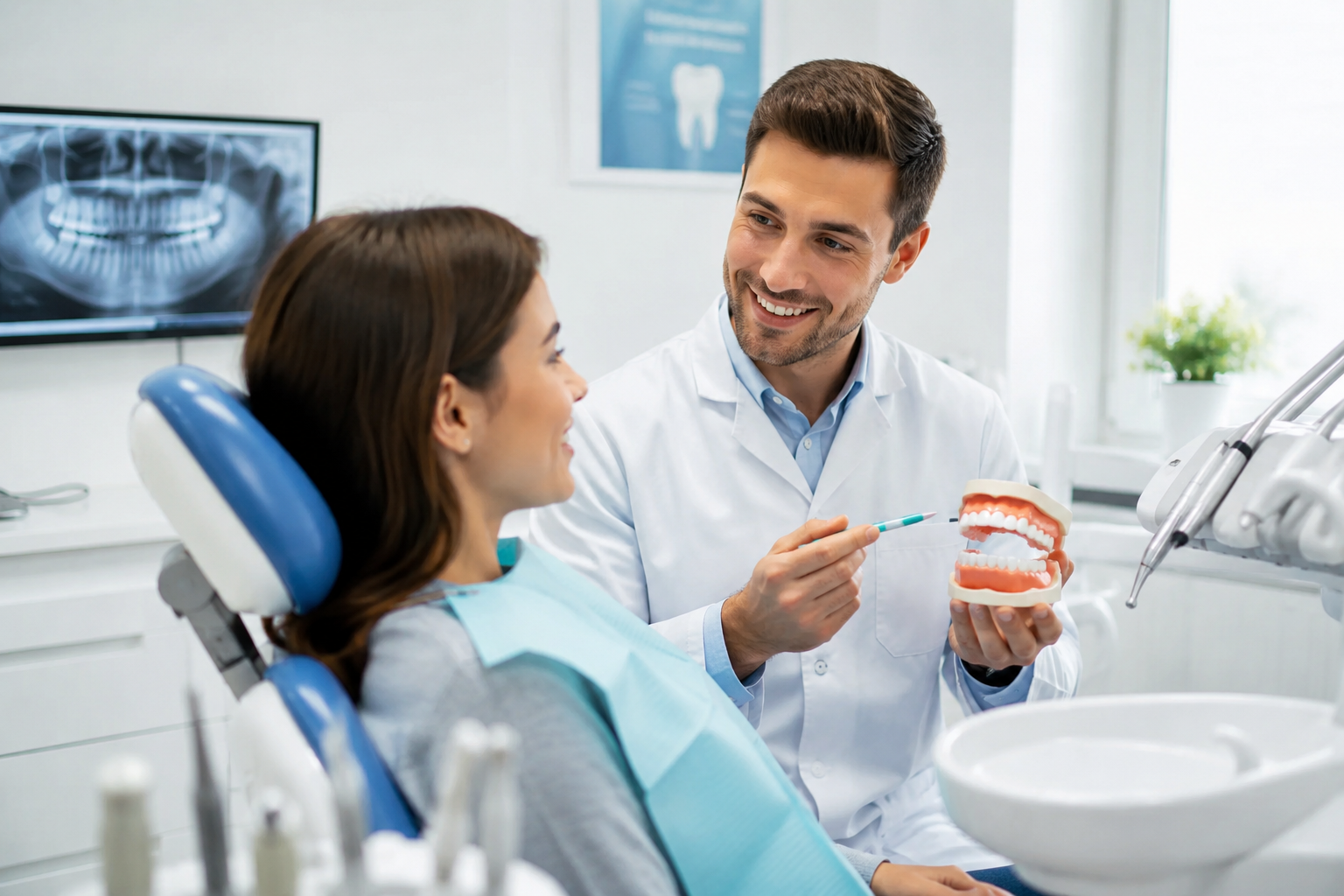
You can protect your smile and save time and money by scheduling regular dental check-ups in Rego Park, NY. A routine visit catches issues early, gives you a personalized plan, and keeps your mouth healthy without unnecessary treatments.
A friendly neighborhood dentist will walk you through what to expect, from a gentle cleaning to a focused exam and tailored advice for daily care. They make comfort and clear communication a priority, whether you’re bringing a child or managing a busy adult schedule.
Find a local practice that understands Rego Park families and offers modern, preventive-focused care so you feel confident about each visit. Ask about appointment options, insurance, and a care plan that fits your lifestyle.
Why Regular Dental Visits Matter
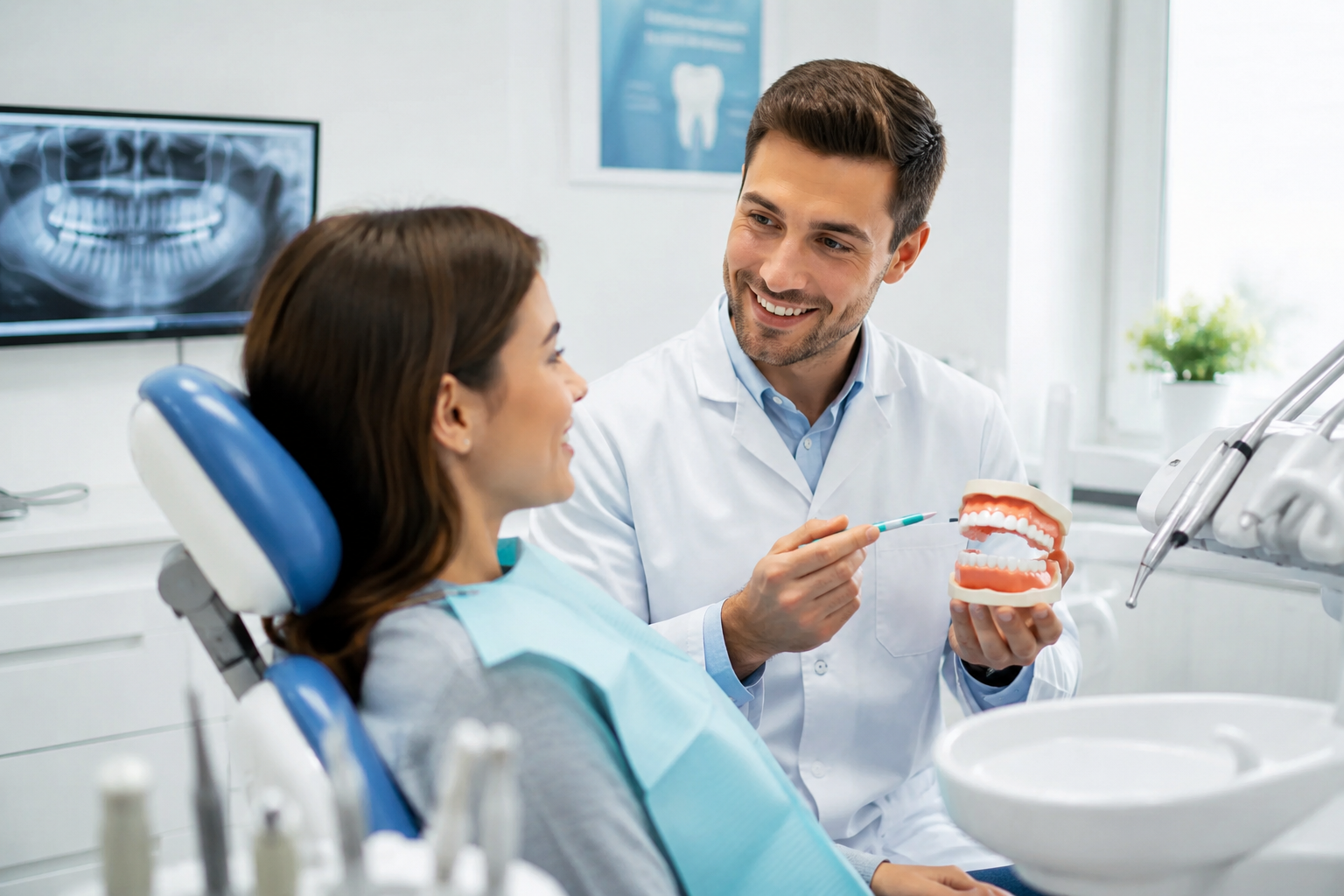
Regular dental care keeps teeth clean, gums healthy, and small problems from becoming painful, expensive treatments. Patients gain personalized advice, targeted preventive treatments, and early detection that preserve long-term oral health.
Preventing Cavities and Gum Disease
Professional cleanings remove plaque and tartar from hard-to-reach spots that brushing and flossing miss, such as between back molars and under the gumline. Dental hygienists use scaling and polishing, and they can apply fluoride or sealants to strengthen enamel and reduce decay risk, especially for children and adults with dry mouth.
Dentists assess bite and alignment, which can affect how food and bacteria collect on teeth. They also review medications and medical history that raise cavity or gum-disease risk and recommend changes or adjuncts like high-fluoride toothpaste. Early intervention—such as a small filling instead of root canal—saves tooth structure and cost.
Protecting Your Smile’s Health
Routine exams monitor restorations, crowns, and implants for wear or damage before they fail. Dentists check for gum recession and bone loss using probing and periodic X-rays to track changes that patients often don’t notice until symptoms worsen.
Cosmetic and functional concerns get addressed proactively: minor chips can be bonded, and night guards can prevent wear from grinding. Staff discuss diet, tobacco use, and oral hygiene habits, offering practical steps—specific brush technique, recommended interdental tools, or saliva substitutes—to protect both appearance and function of the smile.
Early Detection of Dental Issues
Dental visits include visual exams and digital X-rays that reveal decay between teeth, hidden infections, cysts, and early bone loss. Detecting these problems at an initial stage allows for simpler procedures—like localized fillings or periodontal therapy—instead of complex surgeries.
Oral cancer screening is part of the routine check-up, examining tissue color, texture, and any persistent sores. When suspicious signs appear, the dental team coordinates biopsies or referrals promptly. Early detection increases treatment options and improves outcomes, reducing the likelihood of emergency visits and extensive restorative work.
What To Expect During Your Appointment
Patients will experience a clear sequence: check-in and paperwork, a focused clinical exam, any X‑rays or scans needed, a professional cleaning, and a short treatment or plan discussion. Staff emphasize comfort, infection control, and answering questions about costs, timing, or follow‑up care.
Step-By-Step Guide to a Typical Visit
Reception staff confirm personal and insurance details and update medical history; bring ID and a list of medications to speed this step. The dental hygienist performs a periodontal assessment and removes plaque and tartar using hand instruments and an ultrasonic scaler, typically taking 20–40 minutes depending on buildup.
If the dentist needs to evaluate symptoms or restorative needs, they take bitewing or periapical X‑rays; some offices use digital sensors or low‑radiation panoramic imaging for broader views. The dentist performs an oral exam, checks for cavities, gum disease, oral lesions, and evaluates restorations or implant status.
At the end, the dentist reviews findings, shows X‑ray images when relevant, and outlines recommended treatments with timelines and cost estimates. If a filling, crown impression, or whitening is needed, staff will schedule follow‑up visits and provide pre‑op or home‑care instructions.
Comfort Measures for Anxious Patients
Patients with dental anxiety should mention it when scheduling; staff can allocate extra time and match them with a clinician experienced in sedation or relaxation techniques. Options commonly offered include nitrous oxide (laughing gas) for mild sedation, oral sedatives when prescribed in advance, and monitored IV sedation at practices with anesthesia credentials.
Clinics often provide topical numbing gel before injections and use computer‑controlled local anesthetic delivery systems to reduce pressure and pain. Distraction tools like noise‑cancelling headphones, calming music, or TV mounted over the chair help many patients relax during cleanings or longer procedures.
Clear communication also reduces anxiety: clinicians explain each step before starting, check comfort often, and agree on a stop signal the patient can use. Ask about pre‑visit anti‑anxiety medication, same‑day nitrous options, or chairside breaks when booking the appointment.
Latest Technology in Dental Care
Many Rego Park offices use digital X‑rays that cut radiation exposure by up to 80% and provide immediate images for faster diagnosis. Intraoral cameras give magnified views of teeth and soft tissue, letting patients see problem areas on-screen and understand recommended treatments.
CAD/CAM milling systems allow same‑day crowns and veneers in some practices, reducing multiple visits. Cone beam CT (CBCT) scans provide 3D views for precise implant planning or complex endodontic cases when clinically indicated.
Laser dentistry assists with gum treatments and cavity detection, often minimizing bleeding and speeding recovery. Electronic health records and secure patient portals streamline appointment reminders, treatment estimates, and insurance claims so patients can review their care plan and financial options before leaving the office.
Personalized Oral Health Assessments
This section explains how a dental team evaluates a patient’s mouth, medical history, and habits to create tailored care. It highlights practical steps the practice uses to identify risks and set clear treatment or prevention goals.
Individualized Dental Care Plans
The dentist or hygienist designs a care plan based on exam findings, X-rays, and a review of medications and medical conditions. Plans specify frequency of cleanings, targeted home-care instructions, and any restorative or preventive procedures such as fillings, sealants, or fluoride treatments.
They include clear timelines and priorities: urgent issues (pain, infection) come first, followed by medium-term restorations and long-term maintenance. Cost estimates and insurance guidance appear in writing so the patient knows expected out-of-pocket costs.
A typical plan also lists measurable goals: reduce bleeding on brushing within 3 months, stop new cavities for one year, or maintain pocket depths under 4 mm. The team schedules follow-ups and adjusts the plan after each visit based on progress.
Understanding Your Specific Needs
The assessment considers factors that affect oral health risk: dry mouth from medications, tobacco or vaping use, diet high in fermentable carbohydrates, and past history of periodontal disease. Each factor translates into specific advice — for example, recommending saliva substitutes or sugar-reduction strategies when appropriate.
It also accounts for life stage and preferences: pregnancy-related care, orthodontic considerations, or cosmetic priorities like shade matching for crowns. The practice documents allergies and anxiety levels and offers options such as topical anesthetic, nitrous oxide, or longer appointment times.
Communication matters: the team reviews the plan verbally, provides printed or digital instructions, and invites questions. They encourage scheduling a follow-up or consultation to clarify treatment choices and timing.
Supporting Children’s Dental Wellness
This section explains practical ways to make dental visits calm and effective, and how families can create lasting daily habits for healthy teeth. It focuses on clinic practices and at-home routines that protect baby and permanent teeth.
Gentle Pediatric Care
The office uses child-sized instruments, soft suction tips, and quiet handpieces to reduce noise and discomfort during exams and cleanings. Staff greet children by name, explain steps with simple words, and show each tool before use to build trust.
Dentists schedule shorter, focused visits for young patients and offer positive reinforcement such as stickers or a “brushing chart” to encourage cooperation. For anxious children, nitrous oxide (laughing gas) is available; clinicians review medical history and explain expected sensations to parents beforehand.
Preventive treatments include fluoride varnish applied quickly to strengthen enamel and dental sealants placed on molars to block decay in deep grooves. The team provides age-specific guidance on teething, pacifier use, and safe sippy-cup practices to reduce early childhood caries risk.
Building Positive Habits for Kids
Parents should begin cleaning infant gums with a soft cloth after feedings and introduce a small, soft-bristled toothbrush when the first tooth erupts. Use a smear of fluoride toothpaste for under-3s and a pea-sized amount from ages 3–6, while supervising brushing twice daily.
Create a simple routine: brush after breakfast and before bed, floss once daily after teeth contact, and limit sugary drinks to mealtimes. A short chart with stickers or a two-minute sand timer helps maintain consistency and makes brushing measurable for young children.
Schedule the first dental visit by the child’s first birthday and maintain six-month checkups unless the dentist recommends otherwise. Discuss dietary risks, thumb-sucking persistence, and orthodontic screenings so interventions can start early when they are least invasive.
Questions or concerns about behavior, sensitivity, or eruption patterns should prompt a consultation with the dental team to tailor care and reinforce comfort for the child.
Comfort and Communication at the Dental Office
Patients should expect a calm, clean space and clear conversation about treatment, pain control, and timing. Staff set the tone with small comforts and direct explanations that lower anxiety and speed decision-making.
Creating a Relaxing Environment
The dental office arranges the waiting area and treatment rooms to reduce stress. Soft lighting, comfortable seating, and quiet background music help most patients feel calmer on arrival. Reception teams offer water, blankets, or noise-cancelling headphones when requested.
Treatment rooms use cushioned dental chairs, adjustable headrests, and lumbar support to minimize physical discomfort during longer procedures. Clinicians provide warm towels, mirrored positioning checks, and breaks during treatment so patients stay comfortable throughout care.
Offices also control smells and sounds that trigger anxiety. High-efficiency suction and modern drills reduce noise and odors. Scheduling fewer back-to-back procedures limits waiting-room crowding and keeps appointments running on time.
Discussing Your Concerns With Your Dentist
Dentists begin visits with a focused conversation about symptoms, medical history, and specific fears. They ask direct questions such as “When did the pain start?” and “Does cold or heat make it worse?” to pinpoint problems quickly.
Clinicians explain findings using intraoral photos, X-rays, and simple diagrams so patients see exactly what needs attention. They outline treatment options with estimated time, cost, and anesthesia choices, allowing clear comparisons.
When patients express anxiety, dentists offer sedation options—nitrous oxide, oral sedatives, or local anesthetic techniques—and describe what to expect step by step. They confirm understanding by asking patients to repeat key points and invite questions before proceeding.
Dental Care in the Rego Park Community
Rego Park patients benefit from nearby practices that emphasize comfort, preventive care, and modern treatment options. Many offices combine extended hours, multilingual staff, and insurance-friendly policies to make appointments easier for busy Queens families.
Convenient Location and Accessibility
Clinics cluster along Queens Boulevard and nearby streets, placing several dental offices within a 5–10 minute walk of the Rego Park–63rd Drive subway stop. This makes routine check-ups and follow-up visits practical for commuters and seniors who prefer public transit.
Parking options vary: some practices offer on-site or adjacent lot parking, while others validate meters or partner with nearby garages. Offices commonly coordinate appointment times to reduce waiting-room crowding and offer online scheduling, text reminders, and tele-dentistry for triage or quick consultations.
Facilities often include ground-floor entrances, wheelchair ramps, and ADA-compliant operatories. Staff frequently speak multiple languages — Spanish, Bengali, and Russian are common — which helps patients explain symptoms and understand treatment plans without confusion.
Serving Families in Queens
Pediatric and adult services frequently coexist in the same Rego Park practices, so siblings and parents can schedule back-to-back appointments. Teams often provide child-friendly exam rooms, tell-show-do explanations, and fluoride varnish or sealant programs to prevent cavities early.
Preventive care plans typically include personalized home-care coaching, routine cleanings every 3–6 months, and risk-based screening for gum disease and oral cancer. For restorative needs, offices commonly offer tooth-colored fillings, same-day crowns with CAD/CAM technology, and clear aligner options for teens and adults.
Insurance acceptance usually covers Medicaid, most HMO/PPO plans, and self-pay options with transparent cost estimates. Many practices also offer flexible payment plans and financial counseling to help families prioritize necessary care without unexpected bills.
Next Steps for a Healthy Smile
After a dental check-up in Rego Park, NY, patients should follow the care plan the dentist outlines. It often includes at-home habits, scheduling follow-ups, and addressing any recommended treatments.
Maintain daily oral hygiene with a soft-bristled brush and fluoride toothpaste. Brushing twice and flossing once each day reduces plaque and helps prevent cavities and gum disease.
Consider professional cleanings every six months or as the dentist recommends. These visits remove buildup that at-home care can miss and let the dentist monitor changes early.
If the dentist recommends restorative or cosmetic work, they will explain options like fillings, crowns, or whitening. Costs, timelines, and comfort measures are discussed so people can choose what fits their needs and lifestyle.
Lifestyle factors matter: quitting tobacco, cutting back on sugary drinks, and staying hydrated help protect enamel and gum health. Simple dietary swaps can lower decay risk and improve overall oral health.
Use reminders to keep appointments and refill preventive supplies like floss and fluoride mouthwash. Most practices in Rego Park offer online scheduling and patient portals for easy communication.
If anxiety or sensitivity is a concern, ask about sedation or comfort-focused techniques. Many clinics provide gentle care options that make procedures more comfortable.
They should call the dental office with questions or to book the next visit. A brief conversation can clarify treatment steps and help maintain a confident, healthy smile.
Frequently Asked Questions
This section answers common concerns about check-ups, X-rays, anxiety, gag reflexes, gum health, and daily habits. It gives practical steps patients can use before, during, and after a Rego Park dental visit.
What’s typically included in a routine dental check-up and cleaning?
A routine visit usually includes a medical history review and an oral exam of teeth, gums, tongue, and soft tissues.
The hygienist performs scaling to remove plaque and tartar, polishes teeth, and applies fluoride when indicated.
The dentist inspects for cavities, gum disease, occlusion issues, and discusses findings and treatment options.
How often should I schedule dental check-ups if I want to prevent problems early?
Most adults should schedule check-ups every six months for cleaning and exam to catch issues early.
Patients with gum disease, frequent cavities, diabetes, or compromised immune systems may need visits every three to four months.
The dentist will recommend a personalized interval based on oral health, medical history, and risk factors.
Will dental X-rays be needed at my visit, and are they safe?
Bitewing X-rays are commonly taken every 1–2 years to detect cavities between teeth; a full set is less frequent.
Digital X-rays use very low radiation and modern sensors cut exposure by up to 80–90% compared with older film.
The dentist weighs benefits versus minimal risk and limits images to what’s clinically necessary.
What can I expect if I feel anxious about dental appointments or have a sensitive gag reflex?
Dental teams often offer gentle approaches: slower instrumentation, breaks, and clear step‑by‑step explanations to reduce anxiety.
Numbing gel, topical anesthetic, or local anesthesia can prevent pain; nitrous oxide (laughing gas) and oral sedatives help with anxiety.
For a strong gag reflex, the clinician adjusts positioning, uses distraction techniques, and works in short stages to minimize discomfort.
How can I tell the difference between normal gum irritation and early signs of gum disease?
Normal irritation from aggressive brushing or new dental appliances is usually short‑lived and improves with gentler care.
Early gum disease (gingivitis) shows persistent redness, swelling, and bleeding on brushing or flossing that lasts more than a week.
If pockets, receding gums, persistent bad breath, or loose teeth appear, the dentist will evaluate for periodontitis and recommend treatment.
What simple daily habits (like the 2-2-2 rule) can help keep my teeth healthy between visits?
Follow the 2-2-2 rule: brush two minutes, twice a day, and spend two minutes flossing or using interdental cleaners once daily.
Use fluoride toothpaste, limit sugary snacks and acidic drinks, and rinse with water after meals when brushing isn’t possible.
Schedule regular professional cleanings, replace toothbrushes every three months, and ask the dentist about tailored preventive products.

 Call Now