 (929) 822-4127

If you notice blood when brushing or flossing, it’s your body’s way of signaling that something isn’t right. Healthy gums typically do not bleed. While occasional irritation can happen, persistent bleeding is often a sign of underlying gum inflammation or infection.
At Pure Arts Dental Care, we help patients identify the cause of bleeding gums and provide treatment to restore healthy, comfortable smiles.
The Most Common Cause: Gum Disease
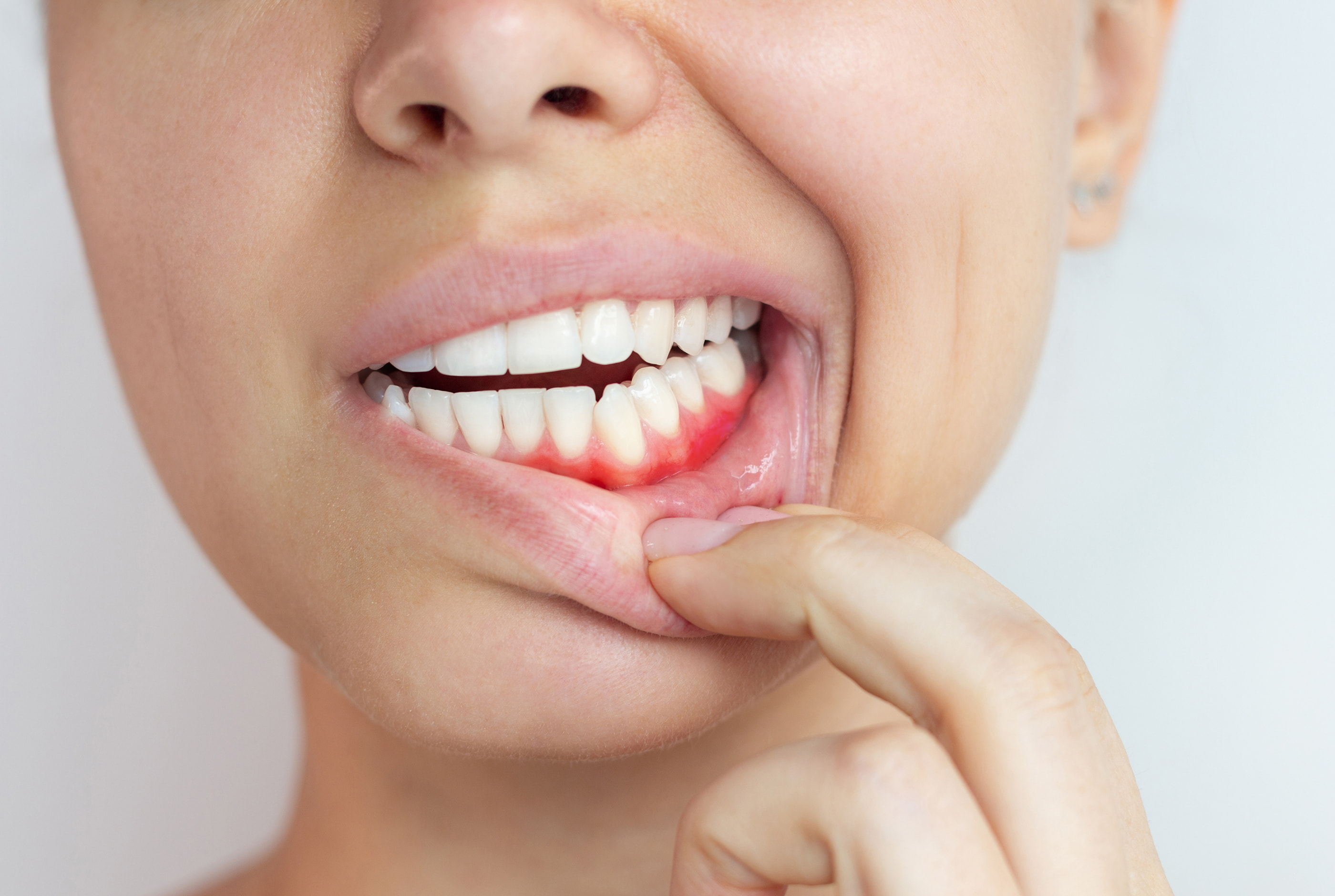
The leading cause of bleeding gums is gingivitis, the earliest stage of gum disease.
When plaque (a sticky film of bacteria) builds up along the gumline, it irritates the surrounding tissue. This causes inflammation, redness, and bleeding — especially during brushing or flossing.
If left untreated, gingivitis can progress to periodontitis, a more serious condition that may lead to:
- Gum recession
- Bone loss
- Loose teeth
- Tooth loss
The good news is that early-stage gum disease is reversible with proper treatment and improved oral hygiene.
Other Possible Causes of Bleeding Gums
While gum disease is the most common reason, other factors may contribute.
Poor Oral Hygiene
Inconsistent brushing and flossing allows plaque to accumulate, increasing inflammation.
Brushing Too Hard
Using a hard-bristled toothbrush or aggressive technique can irritate delicate gum tissue.
Flossing After a Long Break
If you’ve recently restarted flossing, mild bleeding may occur temporarily as your gums adjust.
Hormonal Changes
Pregnancy, puberty, and hormonal shifts can increase gum sensitivity and inflammation.
Certain Medications
Blood thinners and some other medications may increase bleeding.
Vitamin Deficiencies
Low levels of Vitamin C or Vitamin K can contribute to gum bleeding.
If bleeding persists for more than a few days, it’s important to schedule a dental evaluation.

Signs That Bleeding Gums May Be Serious
Seek professional care if you notice:
- Persistent bleeding
- Swollen or tender gums
- Chronic bad breath
- Gum recession
- Pus between teeth and gums
- Loose teeth
These symptoms may indicate advancing periodontal disease that requires prompt treatment.
What You Should Do If Your Gums Are Bleeding
Do Not Stop Brushing or Flossing
Continue cleaning gently but thoroughly. Stopping can allow bacteria to build up further.
Use a Soft-Bristled Toothbrush
Brush with gentle, circular motions along the gumline.
Floss Daily
Consistent flossing removes plaque between teeth where brushing cannot reach.
Rinse with an Antimicrobial Mouthwash
This may help reduce bacteria and inflammation.
Schedule a Dental Checkup
Professional cleaning removes hardened tartar that cannot be eliminated at home.

How We Treat Bleeding Gums
At Pure Arts Dental Care, treatment depends on the cause and severity.
- Dental Cleaning
Removes plaque and tartar buildup to reduce inflammation. - Scaling and Root Planing
A deeper cleaning procedure used for early to moderate periodontal disease. - Advanced Periodontal Therapy
For more severe cases, specialized treatments may be recommended to restore gum health.
We also provide personalized guidance on improving at-home oral care to prevent recurrence.
Why Early Treatment Matters
Ignoring bleeding gums can allow infection to progress. Gum disease has also been linked to systemic health conditions, including heart disease and diabetes.
Addressing gum inflammation early helps:
- Preserve natural teeth
- Prevent bone loss
- Improve breath freshness
- Support overall health
Healthy gums are firm, pink, and free from bleeding.
Restore Healthy Gums Today
If your gums are bleeding, it’s not something to ignore. Early diagnosis and treatment can reverse damage and protect your smile for the long term.
schedule an appointment at Pure Arts Dental Care for a comprehensive evaluation. We will identify the cause, recommend appropriate treatment, and help you regain healthy, confident gums.

 Call Now