Thinking about All-on-4 implants in Rego Park? You can regain a stable, natural-feeling smile using just four strategically placed implants that support a full arch, often in a single day. All-on-4 offers a fast, reliable path to restore chewing, speech, and confidence without the long process of individual implants.
This article explains what makes All-on-4 different, how the treatment typically unfolds, what recovery feels like, and how patients in Rego Park have transformed their smiles. Expect clear comparisons of comfort, costs, and long-term care, plus how to choose the right local dental team and prepare for your consultation.
You’ll find practical tips on managing recovery and maintaining your new smile, along with real-world stories to set realistic expectations. If someone wants a modern, patient-centered option to replace a full arch, this guide will help them take the next step.
What Makes All-on-4 Different?
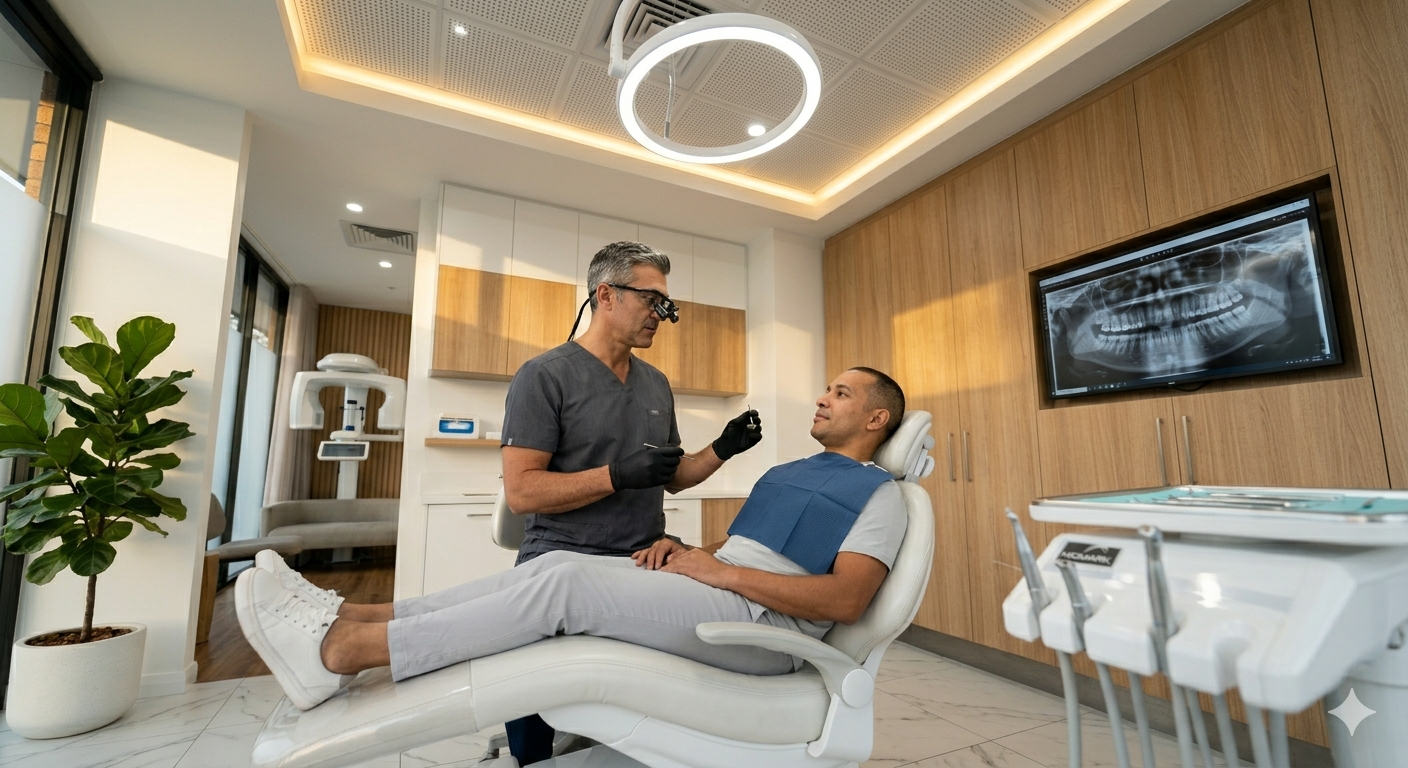
All-on-4 replaces an entire arch of teeth using just four implants placed strategically to support a fixed prosthesis. It emphasizes fewer implants, immediate function, and often avoids bone grafting, which shortens treatment time and simplifies recovery.
How the All-on-4 Method Works
The technique uses four implants: two placed near-vertical in the front and two tilted in the back at about 30–45 degrees. Tilting the posterior implants increases contact with denser anterior bone and avoids the sinus cavities in the upper jaw or the nerve in the lower jaw.
A temporary, fixed prosthesis is attached the same day or within 24–48 hours, letting patients eat and speak with a stable set of teeth while the implants integrate. After 3–6 months of healing, the dentist replaces the provisional with a stronger, custom final prosthesis made of acrylic with a titanium bar or full-ceramic materials.
This approach reduces the need for bone grafts by using available bone more effectively. It also concentrates surgery into a single visit for many patients, which lowers overall treatment time and office visits.
Benefits Over Traditional Implants
All-on-4 uses fewer implants than conventional full-arch approaches, which often require six to eight implants per arch. Fewer implants mean less surgical time, lower immediate cost, and simpler maintenance for many patients.
Immediate loading provides a fixed, functional set of teeth quickly—often the same day—avoiding long periods with removable dentures. Patients typically report improved comfort, better chewing efficiency, and clearer speech compared with ill-fitting dentures.
Tilting the posterior implants frequently eliminates the need for sinus lifts or extensive bone grafting. That reduces surgical complexity, shortens healing, and lowers the risk of additional procedures.
Who Is a Good Candidate?
Ideal candidates have multiple failing teeth or full-arch tooth loss and sufficient bone in the front of the jaw. Those with moderate bone loss in the back of the jaw often qualify because the technique uses angled implants to reach denser bone.
Patients should be in generally good health, without uncontrolled diabetes or conditions that severely impair healing. Heavy smokers or those with active gum disease need evaluation and often treatment before proceeding.
A thorough exam, 3D imaging (CBCT), and a medical/dental history determine suitability. The dentist discusses alternatives — conventional implants, removable dentures, or grafting — and tailors the plan to the patient’s anatomy, budget, and lifestyle.
Understanding the Treatment Process
This section walks through the main steps patients will experience: the initial evaluation, how a customized plan is developed, and what happens on the day of surgery. It highlights key decisions, typical timing, and what patients should bring or expect.
Initial Consultation Steps
The consultation begins with a comprehensive exam and medical history review. The dentist or oral surgeon inspects the mouth, checks remaining teeth, and asks about medications, smoking, and systemic conditions like diabetes that affect healing.
Digital imaging follows: a cone-beam CT scan captures jawbone volume and nerve location, while intraoral scans or impressions record occlusion and esthetics. These images determine whether bone grafting or sinus lifts are necessary and guide implant positioning.
The team discusses budget, insurance, and financing options, and reviews anesthesia choices — local, IV sedation, or general anesthesia. Patients receive clear pre-op instructions: fasting guidelines for sedation, current medication adjustments, and arranging transportation home.
A written estimate and timeline are provided, including provisional teeth delivery. The consultation ends with consent paperwork and an opportunity to ask about recovery time, eating, and pain management.
Personalized Treatment Planning
The clinician uses CT data and scans to design implant positions to maximize bone support and avoid nerves. For All-on-4, two anterior implants are usually vertical and two posterior implants are angled up to 45 degrees to use native bone and reduce grafting.
A surgical guide is fabricated from the digital plan to translate precise implant angles into the operating room. Laboratory communication defines provisional prosthesis contours, bite height, and tooth shade so temporary teeth can be delivered immediately after surgery when appropriate.
The plan includes a detailed post-op schedule: medication plan (antibiotics, analgesics), follow-up visits at 1–2 weeks and 3–6 months, and timing for final prosthesis—often after 3–6 months of osseointegration. Contingency steps, such as bone grafting if bone quality proves insufficient, are explained up front.
The team reviews home care and diet restrictions, signs of complications to watch for, and when normal activities can resume. This personalized roadmap helps set realistic expectations and reduces anxiety.
Surgery Day: What to Expect
On surgery day, the team completes a final review of the plan and verifies consent. Patients change into surgical attire; IV access is placed if sedation is chosen. Local anesthetic numbs the area; many patients feel pressure but little or no pain.
Surgeons use the surgical guide to place four implants—two anterior and two angled posterior—securing a multi-unit abutment system. If bone grafting is needed, it may be performed at the same time. The procedure typically lasts 1.5–3 hours depending on complexity.
Immediate provisional teeth are attached when primary implant stability is achieved; these allow chewing on a soft diet and restore esthetics. Post-op instructions cover ice application, prescribed medications, oral rinses, and a soft-food diet for several weeks. Follow-up appointments check healing and adjust the provisional prosthesis as needed.
Smile Transformation Stories in Rego Park
Patients describe landmark changes in comfort, confidence, and daily function after All-on-4 treatment. Many mention fast recovery, stable chewing, and fewer follow-up visits compared with removable dentures.
Real Patient Experiences
A 62-year-old woman reported chronic denture pain and constant adhesive use before receiving All-on-4 implants at a Rego Park clinic. She experienced same-day teeth placement, minimal postoperative soreness, and returned to eating solid foods within two weeks. She emphasized improved speech and the ability to smile without hiding her teeth.
A 54-year-old man with severe bone loss chose All-on-4 to avoid bone grafting. The surgical team used angled posterior implants to maximize existing bone. He noted clear bite stability, easier oral hygiene with a fixed bridge, and renewed confidence at family events.
A retired teacher described anxiety about dental visits. The practice offered sedation options and a detailed treatment plan, which reduced her fear. She praised staff communication and follow-up care that ensured predictable healing and long-term results.
Before-and-After Results
Clinical photos and case notes from Rego Park practices show consistent improvement in facial support and tooth alignment. Before images often display collapsed bite and worn dentition; after images reveal restored vertical dimension and a natural-looking arch form. Color-matched prosthetic teeth complement patients’ skin tones.
Functionally, measurements recorded by clinicians indicate bite force increases and improved masticatory efficiency within three months. Patients report reduced gum irritation compared with traditional dentures. Maintenance typically involves routine dental visits every 6–12 months and daily cleaning with nonabrasive brushes and interdental aids.
Practical takeaways include predictable timelines: consultation and imaging, same-day provisional bridge, and final prosthesis after 3–6 months. Clear protocols for sedation, antibiotic use, and postoperative care helped minimize complications in the documented cases.
Comfort and Recovery Tips
Patients can expect swelling, mild pain, and dietary limits during the first week, and following clear home-care steps speeds healing. Pain control, infection prevention, and gentle oral hygiene are the priorities to reduce complications and improve comfort.
Managing Discomfort After Surgery
Use prescription pain meds or NSAIDs exactly as directed; typical regimen is ibuprofen 400–600 mg every 6–8 hours with acetaminophen 500–1000 mg staggered for better control. If a dentist prescribes opioids, take them only for breakthrough pain and stop as soon as you can.
Apply a cold pack to the cheek for 15 minutes on, 15 minutes off during the first 48 hours to limit swelling. After 48 hours, switch to warm compresses to promote circulation and reduce stiffness. Sleep with the head elevated for 48–72 hours to help drain fluid.
Follow antibiotic instructions fully if given; finish the course even if symptoms improve. Report signs of infection—fever over 101°F (38.3°C), increasing pain after 72 hours, or foul taste—immediately to the Rego Park office. Avoid smoking and vaping for at least two weeks; nicotine delays bone and soft-tissue healing.
Helpful Diet and Care Tips
Eat soft, nutrient-dense foods for the first 7–10 days: examples include Greek yogurt, blended soups (cooled), mashed potatoes, scrambled eggs, and smoothies with protein powder. Avoid crunchy, sticky, or hot foods that can dislodge temporary prosthetics or irritate surgical sites.
Rinse gently with warm salt water (1/2 teaspoon salt in 8 oz water) starting 24 hours after surgery, 3–4 times daily, especially after meals. Do not use mouthwash with alcohol for at least two weeks; alcohol can dry tissues and delay healing. Brush the teeth and temporary prosthesis gently with a soft-bristled toothbrush; avoid vigorous swishing or spitting.
Attend the first post-op visit (usually 3–7 days) for suture check and prosthesis adjustment. Bring a list of any new symptoms and questions about when to resume exercise, dental flossing, or denture removal; the clinic will give personalized timing based on healing.
Long-Term Care for Your New Smile
Maintaining an All-on-4 prosthesis requires consistent daily care and scheduled professional visits. Simple habits protect the implants, preserve gum health, and extend the life of the prosthesis.
Daily Oral Hygiene Recommendations
Patients should clean around implants twice daily using a soft-bristled toothbrush and low-abrasive fluoride toothpaste. Brush at a 45-degree angle to the gum line for 2 minutes, covering all prosthetic surfaces and the gum margins where plaque collects.
Interdental cleaning matters. Use a water flosser or interdental brushes (size chosen to fit comfortably) once daily to remove debris beneath the prosthesis and between implants. Threaded floss or floss with a floss threader helps when access is tight.
Rinsing with an antibacterial mouthwash once daily can reduce bacterial load. Choose an alcohol-free chlorhexidine rinse only for short-term use per the dentist’s instructions to avoid staining and taste changes.
Avoid hard, sticky, or excessively chewy foods in the early months after placement. Maintain a balanced diet and quit smoking, as tobacco impairs healing and increases implant failure risk.
Routine Checkups and Maintenance
Schedule professional exams every 3 to 6 months during the first year, then at least every 6 months after stability is confirmed. The dentist will assess implant stability, check torque values if indicated, and screen for bone loss with periodic radiographs.
Professional cleanings should involve specialized instruments that won’t scratch the implant or prosthetic surfaces. Hygienists will remove biofilm, polish the prosthesis, and inspect the abutments and screws for loosening or wear.
Report any looseness, persistent soreness, bleeding, or changes in bite immediately. Early intervention for a loose screw, peri-implant mucositis, or prosthetic fracture prevents progression to more complex problems.
Keep a written record of implant components and warranty information. This helps with replacement parts, maintenance plans, and coordination if care moves between providers.
Understanding Costs and Payment Options
Patients can expect to see costs driven by implant components, bone grafting needs, and the laboratory fees for the prosthesis. Payment options often combine dental insurance, in-office financing, and third-party lenders to make treatment manageable.
Insurance Coverage Details
Many dental insurance plans consider all-on-4 implants a major restorative service and may only cover a portion of the prosthetic or surgical fees. Typical coverage ranges from 10% to 50% of the allowable amount for major services; plans rarely cover the full implant system or the lab-processed prosthesis.
Medical insurance sometimes contributes when tooth loss results from trauma, disease, or certain medical conditions, but claims require preauthorization and clear documentation linking the procedure to medical necessity.
Patients should request a pre-treatment estimate and itemized treatment plan from the Rego Park practice. That helps identify covered line items (e.g., extractions, sedation, imaging) and out-of-pocket responsibilities. The office often files claims electronically and can guide appeals or predetermination requests when insurance denies implant-related benefits.
Flexible Financing Programs
Many Rego Park dental offices offer in-house payment plans that split fees over several months with no interest or low interest for short terms. These plans usually require a down payment of 10–30% and monthly installments tailored to the treatment timeline.
Third-party medical/dental lenders such as CareCredit, LendingClub Patient Solutions, or Proceed Finance provide longer-term loans up to 60 months and instant approval decisions. Interest rates vary based on credit; promotional 0% options exist but require on-time payments to avoid deferred interest.
Patients should compare total repayment cost, monthly payment, and any prepayment penalties before committing. The dental team can prepare cost scenarios (e.g., with and without bone grafting, different prosthesis materials) and assist with applications to speed scheduling and reduce financial uncertainty.
Choosing the Right Dental Team in Rego Park
Patients should look for a team with specific all-on-4 experience. Clinics that routinely place full-arch implants will have streamlined protocols, better prosthetic labs, and predictable outcomes.
Check credentials and ask about training. Board certifications, implant fellowships, and continuing education indicate ongoing skill development. They also show a commitment to current techniques and safety standards.
Evaluate technology and treatment planning. Practices that use CBCT scans, digital impressions, and guided surgery can plan implant positions more precisely. This reduces chair time and helps manage expectations.
Assess patient comfort and communication style. A good team explains each step in plain language and discusses anesthesia and pain control options. They should offer clear timelines for surgery, healing, and final restorations.
Review before-and-after cases and patient reviews. Photos of similar cases and verified testimonials provide realistic examples of what to expect. Ask for references or a patient coordinator who can walk through logistics and financing.
Consider the support network available after surgery. A reliable team provides follow-up visits, emergency contact options, and coordination with specialists if needed. Long-term maintenance plans and hygiene instruction help protect the investment.
Encourage a consult to compare options. A short visit lets patients meet the team, view the facility, and get a personalized plan. This step helps build confidence and move forward with a treatment that fits their needs.
Getting Started with Your Consultation
A short phone call or online form sets the appointment. The clinic staff will ask about medical history, current medications, and basic dental concerns to prepare for the visit.
During the consultation, the dentist performs a visual exam and reviews dental X-rays or a 3D CBCT scan when needed. These images help the team assess bone volume and determine whether All-on-4 implants are a suitable option for the patient.
Expect a clear explanation of treatment steps, timelines, and costs. The dentist outlines immediate needs, such as extractions or bone grafting, and whether temporary teeth will be placed the same day.
Patients often appreciate a tour of the facility and a meet-and-greet with the restorative team. This helps set expectations about comfort measures, sedation options, and follow-up care.
Bring a list of medications, previous dental records, and any insurance information. Preparing questions in advance makes the appointment more efficient and ensures all concerns are addressed.
Common questions the team will cover:
- Procedure timeline and number of visits
- Anesthesia and sedation choices
- Short- and long-term maintenance
- Cost estimates and financing options
They provide a written treatment plan with itemized steps and estimates. If the patient decides to proceed, scheduling and pre-op instructions follow, and the team remains available for questions or reassurance.
Frequently Asked Questions
This section answers practical questions about cost, candidacy with bone loss, treatment timeline, same-day temporaries, pain and recovery, and how medical conditions affect success. Each answer gives clear expectations and next steps for patients considering all-on-4 in Rego Park, NY.
How much do full-arch dental implants typically cost, and what factors can change the price?
Full-arch implant treatment in Rego Park usually ranges from approximately $18,000 to $36,000 per arch, depending on materials and technique.
Additional factors that change price include bone grafting, extractions, implant brand, prosthesis type (fixed hybrid vs. denture), imaging, and anesthesia choice.
Insurance sometimes covers parts of the plan, such as extractions or certain prosthetic components, but rarely the full implant fee.
A treatment plan with itemized estimates from the dental office clarifies patient financial responsibility and available payment or financing options.
Am I a good candidate for full-arch implants if I’ve been told I have bone loss?
Many patients with jawbone loss still qualify for full-arch implants using techniques like angled implants, bone grafting, or sinus lifts.
A cone-beam CT scan assesses bone volume precisely and guides whether bone augmentation or alternative implant positioning is needed.
If bone grafting is recommended, it can add healing time and cost but often restores sufficient support for implants.
The implant team will discuss predictable options tailored to the patient’s anatomy and goals.
How long does the full-arch implant process take from consultation to final teeth?
The timeline commonly runs from 3 months to 12 months depending on whether bone grafting or extractions are required.
Simple cases with good existing bone may progress faster; grafting or healing needs extend the schedule.
Initial consultation, imaging, and treatment planning take one to two visits over a few weeks.
Surgery, healing (osseointegration), and final prosthesis delivery follow according to the chosen protocol.
Will I be able to get temporary teeth the same day as implant placement?
Many practices in Rego Park offer same-day provisional teeth after implant placement, especially with all-on-4 protocols.
These temporary prostheses restore function and appearance immediately but are not final restorations.
Patients should expect soft-diet instructions and limited biting force on temporaries while implants integrate.
The final, stronger prosthesis is delivered after sufficient healing and verification of implant stability.
Is the procedure painful, and what can I expect for comfort and recovery afterward?
The procedure itself is performed under local anesthesia with sedation options available, so patients feel little to no pain during surgery.
Postoperative discomfort is common but manageable with prescribed or over-the-counter pain relievers and ice packs.
Swelling and mild bruising typically peak 48–72 hours after surgery and improve over one to two weeks.
The clinic provides specific aftercare instructions, follow-up visits, and emergency contact for any unexpected pain or concerns.
Can medical conditions like autoimmune disease affect whether dental implants are safe or successful?
Certain medical conditions, including uncontrolled autoimmune disease, poorly controlled diabetes, or immunosuppression, can raise the risk of implant complications.
A thorough medical history and coordination with the patient’s physician help determine safety and modify the treatment plan if needed.
Many controlled chronic conditions do not automatically rule out implants; adjustments in timing, medication management, or antibiotic coverage can improve outcomes.
The dental team will discuss individualized risks, benefits, and alternatives and recommend a plan that prioritizes safety and long-term success.

 Call Now