Sedation Dentist
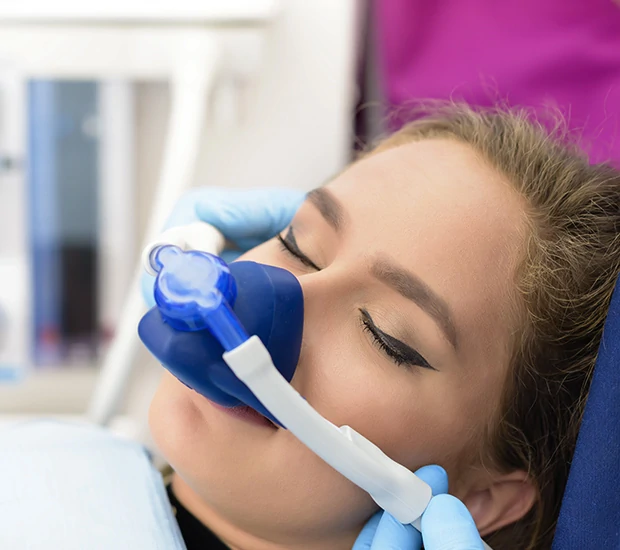
A sedation dentist uses medication to provide patients with a safe and comfortable dental care experience. Sedation can make necessary dental procedures much easier and is one of several options available to manage pain and anxiety at the dentist’s office.
How Sedation Dentistry Works
A sedation dentist administers medicine that helps patients relax during the procedure. For most patients, this comes in addition to the usual pain relief, or an anesthetic, which is typically administered through an injection to the affected area. Sedation has the added effect of reducing patient anxiety and awareness of the details of a procedure.
Benefits of Sedation Dentistry
Sedation is one of the effective ways dentists have found to help patients get the care they need. Patients who have been avoiding necessary dental work due to anxiety can find sedation very helpful.
Preparing for a Sedation Procedure
Sedation can help patients get through most types of dental procedures. Preparation is key to making things go smoothly. Taking the following steps can help patients get the dental care they need with minimal pain and anxiety:
- Ask about available sedation types: A sedation dentist may use several types of medication. Different dosages can also control the strength of the sedation. Patients should also tell the dentist about their preferences; for example, a patient who dislikes needles may benefit from oral or inhaled sedation instead of having an IV.
- Review medical history, including allergies and medications: Some medical conditions or medications may interact negatively with some sedation components. It is important for the dentist to have all relevant information in order to administer sedation properly. Patients whose medical history makes some types of sedation contraindicated can still benefit from other formulations.
- Go over the information with the sedation dentist: A sedation dentist typically provides detailed instructions on how to prepare for a procedure under sedation and what to do afterward. It is important to follow these recommendations correctly for optimal comfort and safety. Be sure to ask questions if any instructions are unclear.
- Make arrangements for getting home: Patients undergoing most types of sedation are advised to arrange for a ride home. The effects of sedation can linger for some time and can include drowsiness or dizziness. With certain types, it may be safe for the patient to go home on their own shortly after the procedure. The California Dental Association notes that the mild effects of nitrous oxide typically last for about 15 minutes after the procedure.
Visit Us
Book Your Appointment Today!
Don’t wait for a dental problem to arise—schedule your visit today and take the first step toward a healthier, brighter smile!